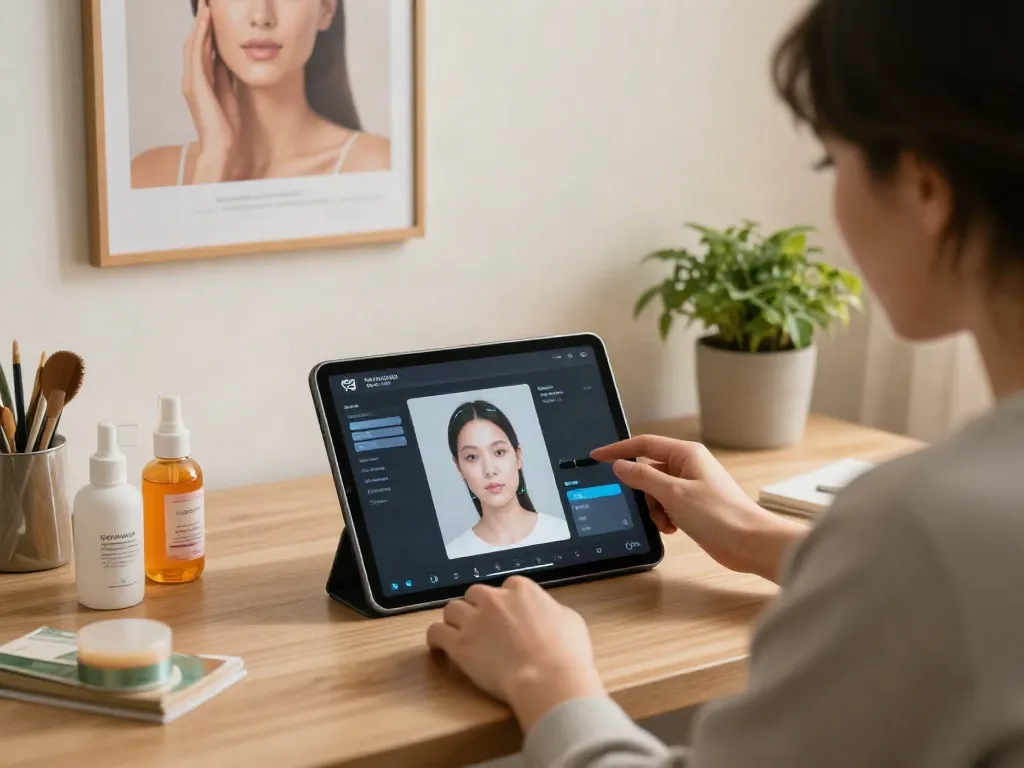
Understanding Facial Analysis Services: An Overview of Alternatives to QOVES
The quest for aesthetic improvement has led to the rise of various facial analysis services aimed at providing personalized recommendations for skin care, grooming, and overall appearance enhancement. One of the notable players in this space is QOVES, which offers a comprehensive analysis at an annual membership fee. However, as the market expands, many users find themselves exploring Alternatives to QOVES, seeking options that may better fit their individual needs or budget constraints. In this article, we’ll delve into what QOVES offers, present its competitors, and provide insights into how to choose the right service for your aesthetic goals.
What is QOVES and Its Significance?
QOVES stands as a popular choice for those looking to evaluate their facial aesthetics through a blend of artificial intelligence and expert review. For a membership fee of $150 per year, users receive a detailed facial analysis that includes a personalized protocol and visual representations within 28 days. The unique aspect of QOVES is its commitment to having a team review each analysis, ensuring a level of human oversight that many find comforting in an era where technology increasingly dominates personal assessments.
This service has garnered attention not just for its tools but for its methodology, which utilizes a combination of aesthetic principles, including the golden ratio, to assess beauty and provide actionable feedback. However, some users are re-evaluating their choices, leading to an increased interest in alternative services that can offer similar or differing benefits.
Alternative Services Overview
When considering alternatives to QOVES, five notable services stand out: ClinicEvo, Umax, LooksMax AI, PrettyScale, and FaceRate.ai. Each of these platforms presents a distinct method of delivering facial aesthetics feedback, catering to varying user preferences. Below, we will outline the key features of each service:
- ClinicEvo: A service providing monthly membership that incorporates AI-based facial analysis along with reviews by trained aesthetics specialists. Users receive a personalized EvoPlan™ aimed at facilitating cosmetic improvement.
- Umax: An iOS and Android app designed to evaluate selfies, returning results almost instantly. It rates looks based on predefined metrics, providing quick feedback without the depth of human review.
- LooksMax AI: Similar to Umax, this app presents an attractiveness rating supplemented with suggestions for grooming, skincare, and hairstyle improvements.
- PrettyScale: A free web tool assessing facial beauty through automated calculations, offering users a score based on its algorithms.
- FaceRate.ai: This website scores a face on a scale out of 10, employing a combination of symmetry evaluation and the golden ratio, aimed at providing a straightforward assessment.
Comparing Costs: QOVES vs. Alternatives
Annual Membership Pricing Breakdown
Cost is a significant factor when choosing a facial analysis service. QOVES charges $150 per year, whereas services like ClinicEvo present a more affordable option at $12 a month, which totals approximately $144 over a year. Though both services fall within a similar price range, it's essential to note that the value offered may differ, particularly in terms of human interaction and the depth of analysis provided.
Instantaneous score-based apps like Umax and LooksMax AI boast lower initial costs, but their total expense could surpass that of QOVES if users opt for weekly subscriptions. A $3.99 weekly plan can accumulate to about $207 if maintained for a full year, questioning the overall cost-effectiveness of these alternatives.
Understanding Hidden Costs in Facial Analysis Services
While the initial pricing may be appealing, the consideration of hidden costs is crucial. Services that offer ongoing tracking and updates may save users money in the long run. QOVES, with its annual membership, provides a specified timeline for report delivery, which could translate into additional consultations or follow-ups if users feel unsatisfied or in need of adjustments after their first analysis.
In contrast, apps like PrettyScale and FaceRate.ai, while free to use, may come with limitations, such as a lack of comprehensive feedback or support, leaving users to navigate improvement strategies independently.
Free Alternatives and Their Limitations
The allure of free services is undeniable, particularly for users hesitant to commit financially. PrettyScale and FaceRate.ai offer quick scores, making them attractive for casual users. However, the lack of tailored plans and professional insights limits their effectiveness for those serious about aesthetic changes. Users seeking detailed recommendations and ongoing improvement support would likely find these free services insufficient.
Key Features to Evaluate in Facial Analysis Tools
Human Review vs. Automated Results
A critical consideration in selecting a facial analysis tool is whether the results are reviewed by trained professionals or solely generated through automated algorithms. QOVES and ClinicEvo place a premium on human expertise, ensuring that analyses are interpreted by aesthetics specialists who can provide tailored feedback.
On the other hand, instant analysis apps like Umax and LooksMax AI must be scrutinized for their reliance on automation. While they deliver quick results, the absence of human review may result in oversights or generalized advice that fails to account for individual variations in facial aesthetics.
Understanding Score Metrics vs. Personalized Plans
Another vital aspect to consider is whether a service provides mere scores or comprehensive, personalized plans. A simple score, while quick to understand, does not guide users on how to act on that information effectively. In contrast, services like ClinicEvo and QOVES offer plans that explain the reasoning behind each recommendation, providing users actionable insights to improve their appearance.
Importance of Continuous Tracking and Support
Continuous tracking helps in monitoring progress and adapting strategies over time. Services that engage users beyond a single report tend to foster a deeper commitment to improvement. This ongoing relationship can provide motivation, support, and adjustments to plans as users evolve in their aesthetic journeys. QOVES and ClinicEvo reflect this philosophy, whereas free tools may leave users without structure after initial assessments.
User Experiences: Reviews and Feedback
Real User Testimonials for QOVES and Its Competitors
User experiences vary widely across facial analysis services. Many users appreciate QOVES for its rigorous approach and detailed insights, particularly valuing the human review aspect. Testimonies often highlight their satisfaction with the personalized plans received, noting improvements they were able to implement based on the recommendations.
Conversely, users of free apps like PrettyScale sometimes express frustration with the generic nature of the advice provided. Many users report that while these tools are fun and easy to use, they don’t fulfill their expectations for meaningful, actionable insights.
Common Pain Points Experienced by Users
Despite the positive feedback, common challenges arise among users of both paid and free services. For QOVES, some users point to the waiting time for results, which can be seen as a drawback compared to the instant feedback from apps. On the other hand, the lack of continuous support from free applications can lead to a feeling of isolation for users seeking improvement.
Lessons Learned from User Experiences
Many users emphasize the importance of researching options before committing to any service. Evaluating others’ experiences through online forums and reviews can provide valuable insights. Additionally, potential users should identify their aesthetic goals beforehand to select the service that best aligns with their expectations.
Future Trends in Facial Analysis Services
Advancements in AI Technology for Skincare
The realm of facial analysis is poised for significant advancements as AI technology continues to evolve. Future services may integrate more sophisticated algorithms capable of understanding unique facial features and delivering tailored advice in real-time. As research progresses, we can anticipate tools that not only analyze current states but also offer predictive insights based on historical data.
Predictions for the Beauty and Aesthetic Industry in 2026
As the beauty and aesthetic industry continues to embrace technological innovations, we foresee a shift towards more personalized and interactive user experiences. Augmented reality (AR) features may proliferate, allowing users to visualize potential changes before implementing them. This trend could redefine how users approach their aesthetic journeys, enhancing the engagement and enjoyment of these services.
What Users Can Expect from Future Alternatives to QOVES
In the coming years, we expect alternatives to QOVES to prioritize not only facial assessments but also holistic approaches to beauty that encompass emotional and psychological well-being. As users become more informed, services will likely need to adapt, focusing on comprehensive, user-centered solutions rather than merely providing scores or metrics.
Is there a free version of QOVES?
Currently, QOVES does not offer a free version. Users must subscribe to their annual plan for complete access to their analysis and insights.
What is the most accurate face rater?
Determining the most accurate face rater can be subjective, as it often depends on personal expectations and the specific criteria users value. Services that include human review, such as QOVES and ClinicEvo, may provide a higher level of accuracy in personalized recommendations due to their expert oversight.
How much does a QOVES analysis cost?
QOVES has an annual membership fee of $150. This fee includes full access to all analyses, with results provided within 28 days.
What are people saying about QOVES.com in their reviews?
User reviews for QOVES generally lean towards the positive, praising the thoroughness and detailed insights provided. However, some users highlight concerns regarding the length of time required to receive feedback as a drawback, especially when compared to instant-analysis competitors.