What is Play Therapy?
Definition of Play Therapy
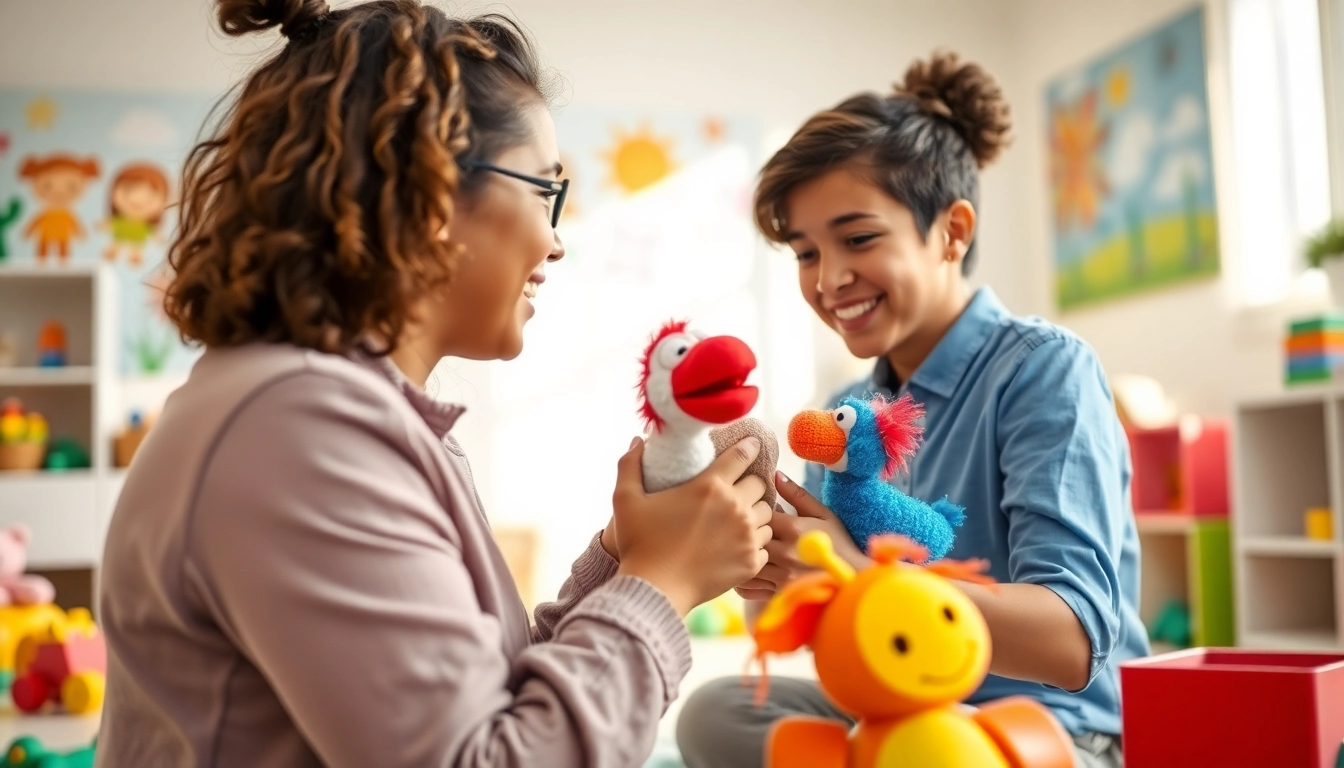
Play therapy is a therapeutic approach centered around the imaginative and creative play of children, allowing them to express their thoughts, emotions, and experiences in a safe environment. According to the systematic use of a theoretical model, trained therapists harness play's inherent therapeutic power to assist children in preventing or resolving psychosocial difficulties, facilitating optimal growth. The approach differs significantly from traditional talk therapy, as it utilizes the child's natural medium of expression—play—to address emotional and behavioral challenges. This method is especially effective for children who may struggle to articulate their feelings verbally.
Target Audience for Play Therapy
While primarily aimed at children aged 3 to 12, Play Therapy can also be beneficial for teenagers and some adults. It is especially useful for children experiencing anxiety, depression, trauma, ADHD, or behavioral issues. The versatility of play therapy allows it to cater to a diverse range of emotional and developmental issues, making it an appealing option for families searching for effective therapeutic interventions for their children or themselves.
Key Principles of Play Therapy
Several foundational principles underlie play therapy practices:
- Child-Centered Approach: Play therapy focuses on the child as the main agent of their healing process.
- Focus on Play: Activities and toys used in sessions facilitate expression and healing. Children process their feelings through these interactions.
- Parental Involvement: Caregiver participation can enhance outcomes and foster supportive environments at home.
- Therapeutic Relationship: A safe and trusting bond between the therapist and child allows for open exploration.
Techniques Used in Play Therapy
Types of Play Therapy Techniques
Play therapy employs various techniques tailored to meet the unique needs of each child. Some of the commonly utilized techniques include:
- Directive Play Therapy: The therapist leads the session with specific goals and guided play activities. This approach is beneficial for children needing structured guidance.
- Nondirective Play Therapy: Here, children are allowed to engage in spontaneous play without direction from the therapist. This allows for natural exploration and expression.
- Filial Therapy: This involves training parents to play with their children in a therapeutic manner, fostering family bonding and communication.
Tools and Toys Commonly Used
The tools and toys employed in play therapy sessions vary widely. They include:
- Art Supplies: Crayons, paints, and clay help children express emotions through creativity.
- Dolls and Action Figures: These facilitate role play, allowing children to enact scenarios they may struggle with.
- Sandbox and Figurines: Sandplay can help children project their inner world in a tangible way.
Creating a Safe Play Environment
Establishing a safe and inviting play space is crucial in play therapy. This includes:
- Ensuring privacy and confidentiality for the child.
- Designing a welcoming environment with comfortable seating and various play materials.
- Minimizing distractions to create an immersive space where children feel secure to express themselves.
Benefits of Play Therapy
Emotional and Psychological Benefits
Play therapy offers numerous emotional and psychological benefits. By providing a safe outlet for self-expression, children can:
- Process traumatic experiences and emotions.
- Enhance self-esteem through mastery of play.
- Develop effective coping strategies for stress and anxiety.
- Improve emotional regulation by recognizing and managing their feelings.
Social Skills Development through Play Therapy
Through interaction with toys and the therapist, children can enhance their social skills, including:
- Building empathy by role-playing emotional scenarios.
- Practicing communication skills while engaging with others in play.
- Learning conflict resolution through guided play scenarios that involve negotiation and compromise.
Research Supporting Play Therapy Effectiveness
Numerous studies outline the effectiveness of play therapy. Research indicates significant improvements in behavioral and emotional symptoms. One notable study showed that children who participated in play therapy exhibited reduced anxiety and improved emotional expression compared to those who did not engage in therapy. Meta-analyses have concluded that play therapy is effective across diverse populations, confirming its adaptability and efficacy in various settings.
How to Implement Play Therapy
Finding Qualified Play Therapists
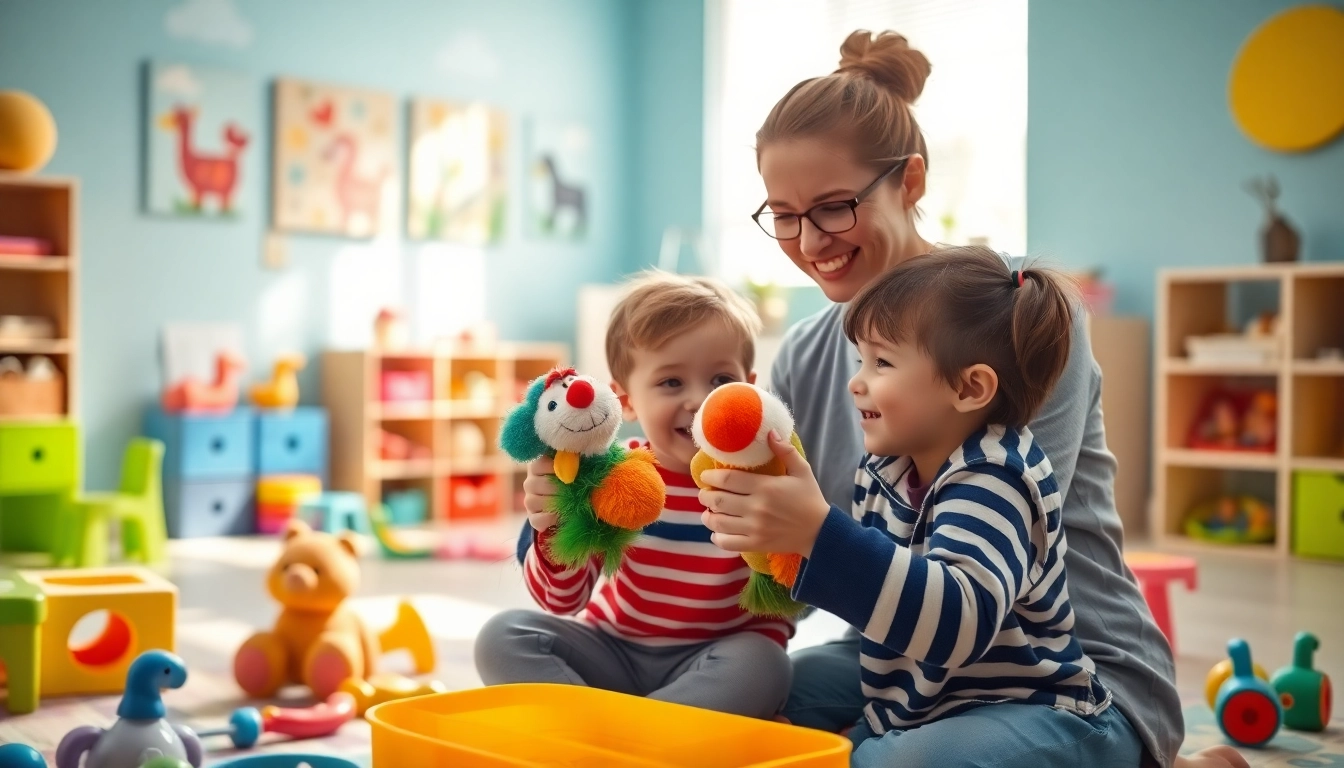
To implement play therapy, finding a qualified therapist is crucial. Some key steps include:
- Researching credentials and specializations in play therapy.
- Looking for licensed therapists with specific training in child development and play therapy techniques.
- Seeking recommendations from pediatricians or school counselors for trusted professionals.
Setting Goals for Play Therapy Sessions
Establishing clear, achievable goals for therapy enhances its effectiveness. Collaborating with the therapist, parents can help identify specific areas of focus, such as improving emotional regulation, enhancing communication skills, or overcoming symptoms of anxiety.
Measuring Progress and Outcomes
Assessing progress is essential in play therapy. Therapists can utilize several methods to measure outcomes, including:
- Behavioral checklists completed by parents and teachers.
- Regular assessments to document improvements in emotional and social skills.
- Therapist observations during sessions to refine strategies and approaches.
FAQs About Play Therapy
1. What ages benefit the most from Play Therapy?
Children aged 3 to 12 typically benefit the most from Play Therapy as it aligns with their developmental stage, but teens and adults can also find value.
2. Can Play Therapy be effective for trauma?
Yes, Play Therapy can help children process and heal from traumatic experiences, providing them with a safe space to express their feelings.
3. How long do Play Therapy sessions typically last?
Sessions usually last 30 to 50 minutes, and the therapy's duration depends on the individual needs and goals, often requiring multiple sessions.
4. Is Play Therapy suitable for adults?
While primarily designed for children, some concepts of Play Therapy can be adapted for adults, especially those who carry unresolved childhood experiences.
5. How can parents support Play Therapy at home?
Parents can support Play Therapy by engaging in play activities with their children, fostering open communication, and reinforcing learned coping strategies.