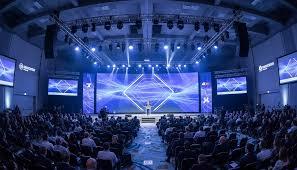
The conference operations team had already synchronized speaker schedules, exhibitor timelines, and attendee registration workflows when technical deployment entered the discussion. Presentation content needed to appear simultaneously across multiple displays, wireless microphones required uninterrupted coverage, and live feeds had to reach both physical and remote audiences without delay. Every element depended on careful coordination between infrastructure and execution.
Across major business events, exhibitions, and corporate gatherings, technology has become an operational necessity rather than an enhancement. Organizations searching for Audio Visual companies in Dubai often evaluate how effectively a provider can support communication, audience engagement, and event continuity while managing the technical complexity behind the scenes.
The Expanding Role of AV Technology in Business Events
Modern events involve far more than a projector and sound system. Corporate organizers now require integrated environments where displays, audio distribution, content management, and audience interaction operate through a connected framework that supports business objectives.
Within large venues, technical infrastructure influences attendee experience from the moment guests enter the space. Whether supporting a keynote session or a multi-stage conference, production systems help maintain consistency throughout the event lifecycle.
Why Technical Planning Starts Before Equipment Arrives
Successful execution begins long before installation teams enter a venue. Engineers typically assess room dimensions, audience capacity, power availability, and presentation requirements to determine the most suitable system configuration.
Detailed planning also minimizes operational risks. By identifying potential challenges during the design stage, event teams can avoid last-minute adjustments that may affect schedules, budgets, or presentation quality during live sessions.
Core Technologies Behind Modern Event Production
Audio and visual systems function as interconnected components rather than isolated technologies. Each element contributes to communication, engagement, and content delivery.
Professional Audio Distribution
Microphone systems, digital mixers, and speaker arrays ensure presenters remain clearly audible throughout the venue while maintaining balanced sound coverage across different audience zones.
Large-Format Display Solutions
LED walls, projection systems, and presentation displays provide visual support for keynote sessions, product demonstrations, branding initiatives, and interactive experiences.
Lighting Integration
Stage lighting improves visibility while directing audience attention toward speakers, demonstrations, and featured presentations taking place throughout the event.
Centralized Control Systems
Production control platforms allow operators to manage switching, media playback, presentation cues, and technical transitions from a unified environment.
When deployed collectively, these technologies create a consistent experience that supports communication without distracting attendees from the event’s primary objectives.
Venue Characteristics Shape Technical Decisions
Every venue presents unique operational requirements. Ceiling height, room acoustics, audience placement, and viewing angles all influence how production systems should be configured for optimal performance.
A conference ballroom requires a different technical strategy than an outdoor activation or exhibition hall. Adapting equipment selection to venue conditions helps maximize efficiency while ensuring reliable performance throughout the event schedule.
Audio Performance Depends on More Than Equipment
Strong sound quality is often associated with premium hardware, yet venue acoustics frequently play an equally important role. Reflective surfaces, room geometry, and audience density can significantly affect speech clarity and overall listening comfort.
For this reason, production engineers typically evaluate coverage patterns and sound distribution before finalizing deployment plans. Proper alignment allows attendees in all seating areas to receive a consistent listening experience regardless of room size.
Display Technologies Continue to Evolve
Visual communication has become increasingly important as organizations seek more engaging event formats. High-resolution display technologies now support presentations, branded environments, product showcases, and live content integration across a variety of venue types.
Pixel pitch selection, screen placement, and content optimization all contribute to viewing quality. Effective planning ensures audiences can clearly view information regardless of seating position or venue dimensions.
Supporting Hybrid and Live Streaming Requirements
Many organizations now extend event reach beyond physical attendees. Hybrid formats require synchronized delivery between in-person experiences and virtual participation channels operating simultaneously.
Multi-Camera Production
Professional camera systems capture presentations, audience interactions, and stage activity while providing operators with flexibility during live broadcasts.
Real-Time Content Switching
Video switchers allow production teams to alternate between presentation slides, speaker views, demonstrations, and branded content without disrupting viewer engagement.
Streaming Infrastructure
Reliable network architecture helps maintain stable transmission quality while supporting remote audiences across multiple geographic locations.
Recording and Post-Event Distribution
Content captured during live events can be repurposed for training, marketing initiatives, stakeholder communication, and future audience engagement efforts.
As hybrid formats continue growing, production environments increasingly require expertise across both physical and digital delivery channels.
Reliability Remains Essential During Live Events
Technical failures rarely occur at convenient moments. A disrupted presentation, unavailable display, or microphone issue can affect audience perception and interrupt event momentum within seconds.
To reduce operational exposure, production providers often implement backup systems, redundant signal paths, spare equipment inventories, and comprehensive testing procedures. These measures create resilience while helping events continue smoothly under unexpected conditions.
Selecting the Right Technical Partner
Choosing a provider involves more than reviewing equipment inventories. Organizations frequently evaluate project management processes, engineering expertise, deployment capabilities, and on-site support structures before making a decision.
Several considerations help guide the selection process:
- Experience with conferences, exhibitions, and corporate events
- Technical design and consultation capabilities
- On-site engineering support
- Live streaming expertise
- Installation and dismantling efficiency
- Contingency planning procedures
A structured approach often indicates a provider’s ability to manage both routine requirements and unexpected operational challenges.
Final Thoughts
Looking to create an event experience that attendees remember long after the closing session? The difference often lies in the quality of technical planning, system integration, and execution occurring behind the scenes. Through services that include AV system solutions, event production support, LED display deployment, live streaming capabilities, digital signage, and technical consultation, Markable helps organizations deliver professional event environments tailored to specific operational goals. Businesses seeking dependable AV companies in Dubai can benefit from a partner that understands how technology, audience engagement, and flawless execution work together to support successful events.