Understanding Telehandlers
What is a Telehandler?
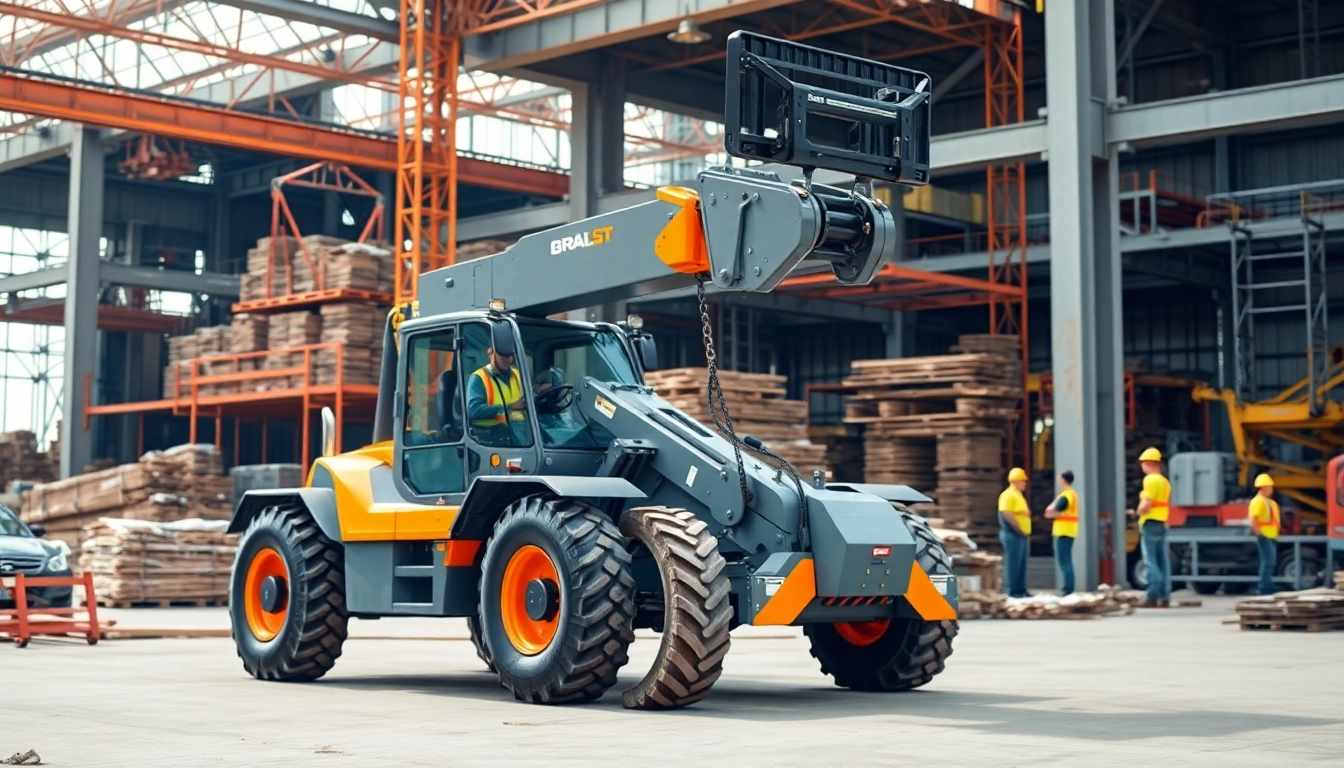
A telehandler, also referred to as a telescopic handler, is a versatile piece of heavy equipment designed to lift, carry, and place materials. Its unique feature is the telescoping boom, which allows it to extend its reach significantly beyond that of traditional forklifts. The telehandler can be equipped with various attachments, such as forks, buckets, and lifting jibs, making it suitable for a wide range of applications across different industries. These machines are invaluable on construction sites, farms, and industrial facilities due to their flexibility, mobility, and robust performance. For those interested in renting one, telehandler options are widely available.
Mechanics and Functionality of Telehandlers
Telehandlers operate using hydraulic systems to control the boom's extension and retraction, allowing operators to lift heavy loads to great heights. The operator's cabin is typically elevated, providing excellent visibility of the work area. Most telehandlers come with a four-wheel drive feature, enhancing their maneuverability on rough terrain. The combination of these features results in a machine capable of effectively addressing various lifting tasks. Understanding the mechanics of telehandlers, including their weight distribution and center of gravity, is crucial for safe operation. Operators should always be trained and familiar with the specific type and model of the telehandler they are using.
Comparison with Other Lifting Equipment
When compared to traditional forklifts, telehandlers offer extended reach and versatility in lifting capabilities. While forklifts are typically limited in their elevation and range, telehandlers can effectively perform tasks in hard-to-reach areas or uneven ground which are common in construction and agricultural environments. Compared to cranes, telehandlers are generally more compact, making them easier to navigate in tight spaces. However, cranes can lift heavier loads over greater distances, making them suitable for different applications. Each lifting equipment serves unique functions depending on the specific requirements of the task at hand.
Key Features of Telehandlers
Lift Capacity and Reach
One of the defining features of a telehandler is its lift capacity. Telehandlers can typically lift between 5,000 to 12,000 pounds, depending on the model and configuration. The boom can extend, allowing the telehandler to reach heights between 20 to 60 feet, enabling it to move materials to high elevations which is particularly valuable in construction settings. Detailed specifications should always be reviewed to understand the limitations and capacities, as exceeding them can lead to accidents and equipment failures.
Versatile Attachments Available
Telehandlers can be equipped with a variety of attachments, making them incredibly versatile. Common attachments include forks for palletized loads, buckets for moving gravel or sand, and specialized lifting tools for specific tasks. This flexibility allows a single telehandler to replace multiple machines on a job site, reducing overall equipment costs and streamlining operations. Some telehandlers may also accommodate attachments like specialty jibs, which enhance their functionality for specific material handling tasks.
Safety Features and Considerations
Safety should be a paramount consideration when operating a telehandler. Many modern models are equipped with stability systems that monitor the machine's center of gravity, ensuring safe operation during lifting. Operators must be aware of load limits and never exceed the manufacturer's recommendations, as this can lead to tipping. Personal Protective Equipment (PPE) like hard hats, gloves, and safety shoes are essential for operators and personnel on the worksite. Regular maintenance checks ensure that safety features function correctly, reducing risks associated with equipment failure.
Applications of Telehandlers
In Construction
Telehandlers are widely used in construction due to their ability to move heavy materials across uneven terrain. They play a crucial role in lifting and placing materials like steel beams, scaffolding, and concrete blocks at various heights. The extended reach allows construction crews to access hard-to-reach areas, thereby increasing productivity and reducing labor costs. By eliminating the need for scaffolding or cranes in many scenarios, telehandlers make construction operations more efficient.
Agricultural Uses
Agriculture also benefits significantly from telehandlers. Farmers use them for a variety of tasks such as loading and unloading hay bales, moving feed, and transporting equipment. Their ability to navigate rough terrain makes them essential for various farm settings. Moreover, with the right attachments, telehandlers facilitate many agricultural operations, such as lifting heavy bags of fertilizer or transporting crops from the field to storage areas, thereby enhancing the efficiency of farm operations.
Material Handling in Industrial Settings
In industrial environments, telehandlers enable effective movement of materials around warehouses and storage facilities. Their versatility allows operators to perform tasks ranging from loading and unloading trucks to stacking pallets in high storage areas. The adaptability to different attachments means telehandlers can serve multiple functions, reducing the need for various specialized vehicles and thus increasing operational efficiency. In facility management, telehandlers help streamline workflows and optimize logistics.
Advantages of Using Telehandlers
Increased Efficiency and Productivity
Implementing telehandlers within operations often leads to notable increases in efficiency and productivity. Their versatile nature means they can perform many tasks traditionally handled by separate machines. For example, moving dirt, lifting heavy objects, and transporting materials can all be done by a single telehandler. This consolidation reduces the need for additional equipment and saves valuable time, allowing workers to focus on more critical aspects of the project.
Space-saving Design Benefits
Telehandlers are usually more compact than cranes and other large lifting equipment, making them ideal for sites with limited space. Their ability to maneuver into tight spots means they can deliver materials exactly where they're needed without taking up excess room. This efficiency not only optimizes site layouts but also reduces the risk of accidents associated with crowded work environments.
Cost-effectiveness of Telehandler Rentals
Renting telehandlers becomes a cost-effective solution for many companies, especially those who may only need them for a short duration or specific projects. This approach reduces overhead costs associated with purchasing and maintaining equipment. Additionally, telehandler rental companies often provide maintenance and support, which further limits expenses and liability for rental users. Firms can strategically invest capital in other essential areas while relying on telehandlers for their heavy lifting needs.
Frequently Asked Questions
What is the typical lift capacity of a telehandler?
Telehandlers generally have a lift capacity ranging from 5,000 to 12,000 pounds, depending on the model and attachments used.
How do you operate a telehandler safely?
To operate a telehandler safely, always adhere to the manufacturer's guidelines, maintain a stable load, and ensure adequate training for all operators.
Are telehandlers suitable for rough terrain?
Yes, telehandlers are designed for rough terrain and typically feature four-wheel drive and high ground clearance, enhancing mobility on uneven surfaces.
What types of attachments are available for telehandlers?
Common attachments include forks, buckets, jibs, and specialized tools for specific lifting tasks, increasing the versatility of telehandlers.
Where can I rent a telehandler?
Telehandlers can be rented from various equipment rental companies, many of which offer a range of models and attachments suitable for different projects.
Contact Information
Call Us: 4062607988Address: 3906 MT-40, Columbia Falls, MT 59912