Understanding the Test of Attractiveness
The quest for beauty and attractiveness has been a persistent theme in human culture and psychology. In recent years, advancements in technology have led to the emergence of tools that aim to quantify individual attractiveness. One such tool is the test of attractiveness, which leverages artificial intelligence to analyze facial features and provide feedback. This article will explore what an attractiveness test entails, the technology powering it, and its significance in today's society.
What is an Attractiveness Test?
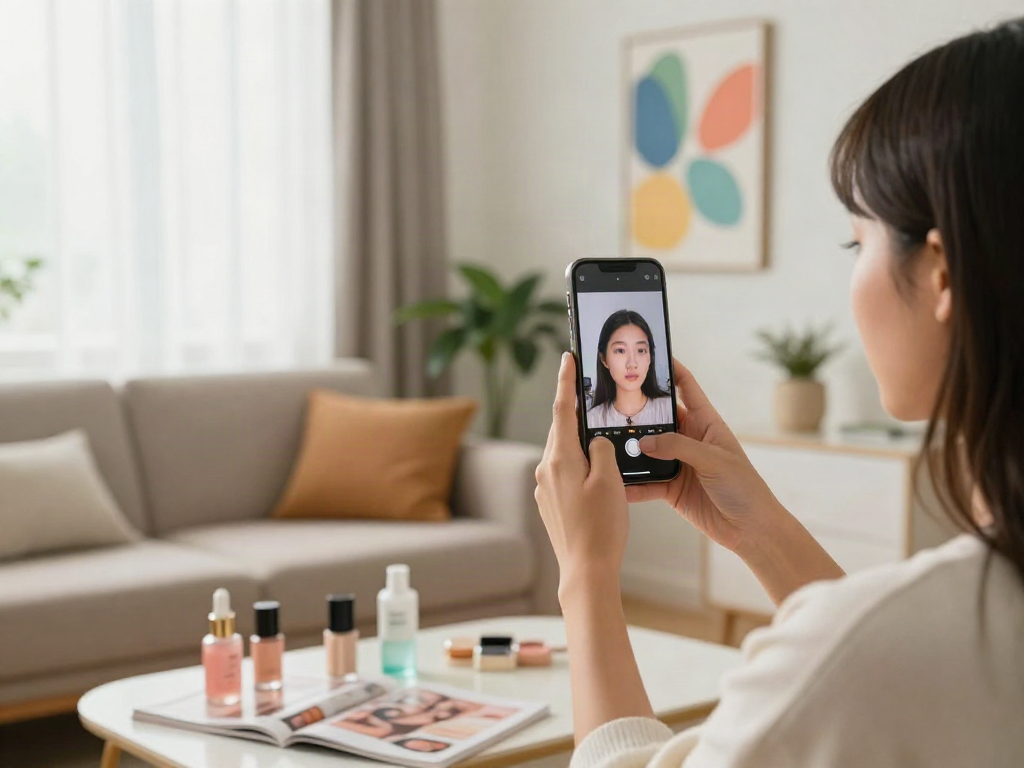
An attractiveness test is a digital tool that assesses physical appearance based on various criteria, such as facial symmetry, proportions, and other aesthetic metrics. Users upload a photo of themselves, and the software evaluates their features against established beauty standards. The outcome is usually presented as a score or rating, helping individuals understand how they align with these standards. These tools typically harness AI algorithms, which have been trained on vast datasets reflecting subjective beauty perceptions from diverse populations.
How AI Technology Powers Attractiveness Testing
Artificial intelligence plays a crucial role in attractiveness testing by enabling the analysis of complex facial features with precision. Modern tests utilize deep learning algorithms that identify and measure key landmarks on the face, such as the distance between the eyes, the outline of the jawline, and the proportion of the nose to the mouth. By comparing these measurements against ideal proportions—often derived from concepts like the golden ratio—AI can generate a score that reflects perceived attractiveness. This application of AI not only enhances accuracy but also democratizes beauty assessments, allowing more people to participate in self-evaluation.
Common Features of Attractiveness Tests
- Facial Symmetry Analysis: Many tests focus on the symmetry of facial features, as studies suggest that symmetrical faces are often deemed more attractive.
- Golden Ratio Calculation: Some tools incorporate the golden ratio, a mathematical ratio often associated with aesthetic beauty, to evaluate proportions.
- Canthal Tilt Measurement: This metric assesses the angle of the eyes, which can affect perceptions of youth and attractiveness.
- User-Friendly Interface: Most applications are designed to be intuitive, requiring only a photo upload for users to receive their scores.
Importance of Self-Assessment in Attractiveness
Self-assessment through attractiveness testing can profoundly impact personal perception and confidence. Understanding how one measures up against societal beauty standards can influence self-esteem, behavior, and interactions with others.
How the Test of Attractiveness Boosts Self-Esteem
Receiving a positive attractiveness score can enhance self-esteem by providing validation and encouraging individuals to embrace their looks. Positive feedback fosters a sense of confidence, prompting individuals to present themselves more assertively in social situations. Conversely, a lower score may serve as motivation for self-improvement, leading to lifestyle changes that enhance not just appearance but overall well-being.
Addressing Misconceptions About Beauty Standards
While the results from an attractiveness test can be insightful, it is also essential to recognize that beauty standards are highly subjective and culturally influenced. These tests can help individuals understand broader trends; however, they should not be viewed as definitive measures of worth or capability. It is crucial to approach the results with a balanced perspective, acknowledging that beauty comes in many forms and that personal value extends beyond physical appearance.
Real-life Benefits of Knowing Your Attractiveness Score
Knowing one's attractiveness score can lead to tangible benefits, such as improved social interactions and increased confidence in dating environments. Understanding personal attractiveness may also enhance occupational opportunities, as studies have shown that physical appearance can play a role in hiring decisions. Ultimately, leveraging this knowledge can empower individuals to make informed decisions regarding their self-presentation and personal grooming.
Taking the Test: Step-by-Step Guide
Participating in an attractiveness test is straightforward, but optimal results depend on following a few essential steps. This guide will walk you through the process to ensure you gain the most from your experience.
Preparing for Your Attractiveness Test
To achieve the best results from your test, it is essential to prepare adequately. Firstly, choose a well-lit environment when taking your photo, as good lighting can significantly enhance the clarity of your features. Moreover, be mindful of your facial expression; a neutral or soft smile often yields the most accurate results. Dressing in simple, unpatterned clothing can also prevent distractions during the assessment.
How to Upload Your Photo Effectively
Most attractiveness tests provide an upload option directly on their platforms. Ensure that your photo is of high resolution and captures your face clearly without obstructions, such as sunglasses or hats. Some tests allow for multiple angles; consider trying different poses to see how they impact your score.
Interpreting Your Attractiveness Score
Once you receive your attractiveness score, take a moment to interpret the results. Many platforms provide additional feedback alongside your score, detailing which features contributed positively and which may require improvement. Use this feedback as constructive guidance for personal development rather than a definitive measure of your self-worth.
Improving Attractiveness: Strategies and Tips
Receiving feedback from an attractiveness test can open the door to numerous opportunities for self-improvement. Here are some strategies to enhance your attractiveness based on the insights gained from your results.
Enhancing Facial Features for Better Ratings
Depending on the feedback received, individuals can focus on adjusting specific facial features. Simple changes, such as grooming eyebrows, applying makeup to enhance symmetry, or even adopting better posture, can significantly impact perceived attractiveness. Skincare routines that promote healthy skin can also elevate one’s overall appearance.
Self-Care Routines to Boost Confidence
Confidence plays a crucial role in attractiveness. Establishing a dedicated self-care routine—whether through exercise, skincare, haircare, or dietary choices—can dramatically enhance how individuals perceive themselves. Engaging in activities that promote mental well-being, such as yoga or meditation, can also improve one’s self-image and, consequently, their attractiveness to others.
Using Feedback for Personal Growth
Utilize the feedback you receive from attractiveness tests as a tool for personal growth. Consider setting attainable goals based on the recommendations given. For example, if your score suggests improving facial symmetry, you might explore techniques in makeup artistry or even consult a professional stylist for advice. Continuous self-improvement fosters not only physical enhancement but also contributes to a heightened sense of self-awareness and personal satisfaction.
The Future of Attractiveness Testing
As we move towards 2026, the field of attractiveness testing is poised for transformational changes driven by technological advancements and evolving consumer behaviors.
Emerging Trends in Beauty Technology for 2026
The beauty tech landscape is rapidly evolving, with new innovations on the horizon. Augmented reality (AR) is anticipated to integrate with attractiveness testing, allowing users to visualize potential improvements before they make changes. Virtual consultations with beauty experts through AI platforms are also trending, providing tailored recommendations based on individual test results.
How AI Will Revolutionize Self-Assessment Tools
Artificial intelligence will continue to advance the accuracy and personalized nature of attractiveness tests. Future AI systems may analyze not just static images but also incorporate video and 3D modeling, providing deeper insights into facial dynamics and expressions. This evolution will allow for richer feedback and more customized beauty regimens reflective of the user's unique aesthetic.
Predictions for the Beauty Industry and Consumer Behavior
As consumers become increasingly aware of their image and its societal implications, the demand for user-friendly and insightful beauty tools will grow. Beauty brands are likely to adopt these technologies to enhance customer engagement, providing personalized solutions that resonate with individual preferences while also promoting a diverse standard of beauty. As more individuals engage with attractiveness tests, we may see a shift towards acceptance of varied beauty standards that celebrate uniqueness over conformity.
What factors influence my attractiveness score?
Your attractiveness score can be influenced by various factors, including facial symmetry, the proportions of different facial features, skin health, and even expressions you display in your photo. External factors, such as lighting and the quality of the image, can also play a significant role in the outcome.
Are attractiveness tests scientifically reliable?
While attractiveness tests employ scientific algorithms and data-driven metrics, it is essential to remember that beauty is subjective. The results can provide insights based on common societal standards, but they should not be taken as absolute or definitive. Cultural perceptions of beauty can vary widely, leading to different interpretations of attractiveness.
Can improving my appearance impact my confidence?
Yes, improving your appearance can significantly boost your confidence. When individuals feel good about their looks, it often translates to higher self-esteem, better social interactions, and an improved mindset. Positive feedback can reinforce this confidence, encouraging further self-improvement.
What should I do if I get a low attractiveness score?
If you receive a low score, approach it as an opportunity for growth rather than a setback. Analyze the feedback provided and consider steps you can take to improve based on that insight. Remember, attractiveness is not singularly defined and varies across cultures and communities.
How often should I retake the test of attractiveness?
There is no strict rule for retaking the test; however, consider doing so after making significant changes to your appearance or self-care routine. This can provide a benchmark for how your efforts have impacted your attractiveness score and overall self-image.