Understanding Pool Enclosure Basics
What is a Pool Enclosure?
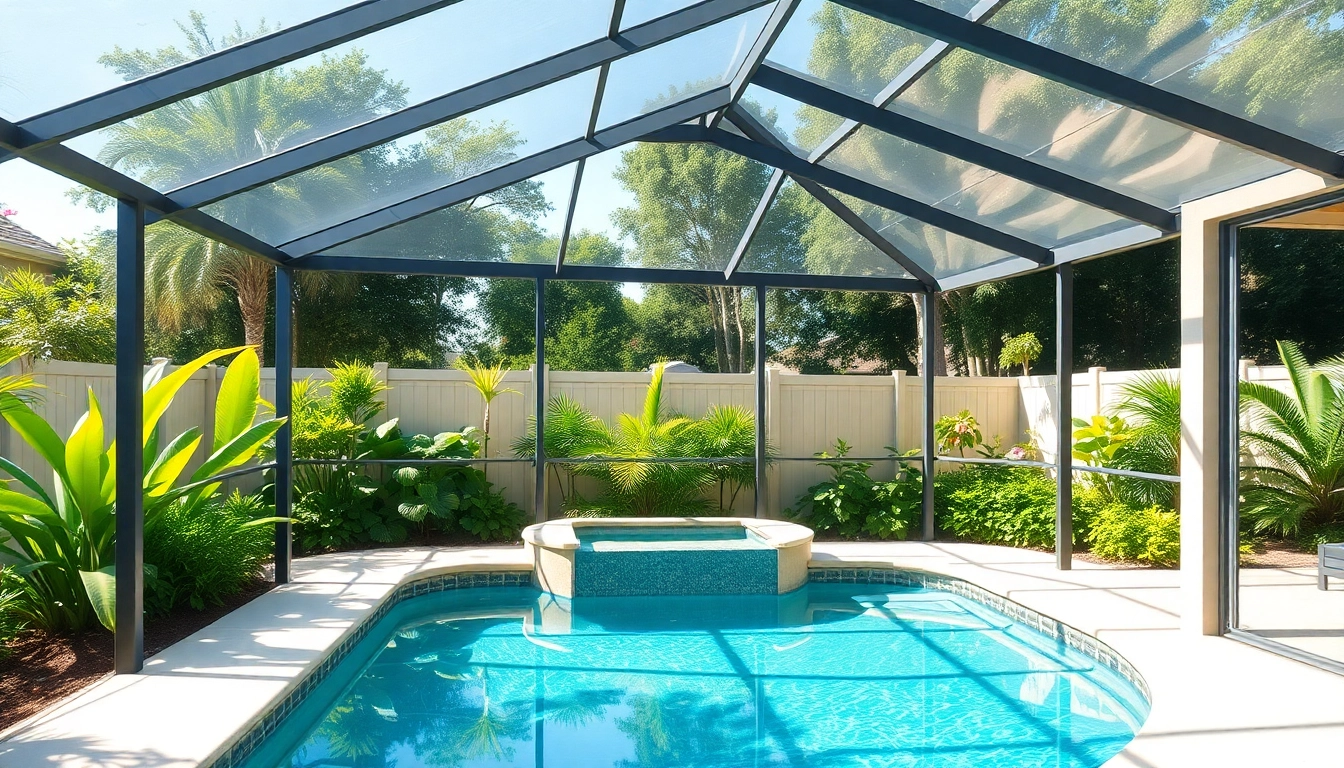
A Pool Enclosure is a structure that provides a protected environment around your swimming pool, effectively extending your swimming season, enhancing safety, and reducing maintenance costs. Pool enclosures can come in various forms, including glass, screen, and solid panel constructions. They are designed to offer protection from the elements, such as rain, wind, and debris, while also adding an aesthetic appeal to your backyard.
Key Benefits of Installing a Pool Enclosure
Installing a pool enclosure brings numerous benefits that can transform your pool area into a more appealing and functional space. One of the primary advantages is the prolongation of the swimming season. With an enclosure, you can enjoy your pool even during cooler months, making it a year-round attraction for family and friends.
Additionally, a Pool Enclosure significantly minimizes maintenance. By keeping leaves, insects, and other debris out of the pool, you’ll spend less time cleaning and more time enjoying it. Furthermore, having an enclosure enhances safety by creating a barrier that prevents unauthorized access, particularly important for homes with small children or pets.
Another critical aspect is energy efficiency. Many enclosures are designed to create a greenhouse effect, which can significantly reduce heating costs. This means lower energy bills and a smaller environmental footprint, making your pool experience not just enjoyable but also sustainable.
Different Types of Pool Enclosures
When considering a pool enclosure, it’s essential to understand the different types available:
- Screen Enclosures: Made of mesh screens, these enclosures provide visibility and ventilation while keeping bugs and debris out.
- Glass Enclosures: Offering a more luxurious feel, glass enclosures allow for unobstructed views of the surroundings while providing excellent protection against the weather.
- Frame Structures: These are often made from aluminum or steel, creating a strong and sturdy enclosure that can support various coverings.
- Retractable Enclosures: These types can be opened or closed depending on the weather, giving you flexibility in how much exposure you wish to have.
- Inflatable Enclosures: A budget-friendly solution that provides seasonal coverage, typically for above-ground pools, often easy to set up and take down.
Choosing the Right Pool Enclosure for Your Needs
Factors to Consider When Selecting a Pool Enclosure
Choosing the right Pool Enclosure requires careful consideration of several factors:
- Climate: Your local weather conditions will play a significant role in the type of enclosure you select. For instance, areas with heavy snowfalls may benefit from stronger materials.
- Space: Ensure that the design you choose fits your yard's layout without overwhelming it. Measure your pool and consider additional patio space.
- Budget: Pool enclosures come in a range of costs. Determine your budget before exploring options to avoid overspending.
- Regulations: Check local building codes and HOA regulations to ensure compliance with height, style, and other restrictions.
How to Measure Your Pool for an Enclosure
Accurate measurements are crucial when designing a Pool Enclosure. Here’s a simple guide:
- Measure the length and width of the pool, including any attached features like spas or fountains.
- Account for surrounding patio space, ensuring the enclosure does not encroach on deck furniture or other fixed structures.
- Note the height you desire for your enclosure, remembering to check local regulations.
Overall, accurate measurements help in selecting the right enclosure and ensure a good fit across all dimensions.
Cost Considerations for Pool Enclosures
The costs associated with installing a Pool Enclosure can vary widely based on materials, size, and design:
- Screen enclosures typically cost $5 to $15 per square foot.
- Glass enclosures can raise costs significantly, often ranging from $15 to $65 per square foot, depending on the thickness and quality of the glass.
- Custom designs or retractable features usually add to the overall expenditure, possibly exceeding the average of $10,000.
Always consider both initial costs and long-term savings from reduced maintenance and energy efficiency when budgeting.
Installation of Pool Enclosures: A Comprehensive Guide
DIY vs. Professional Installation
When it comes to installation, homeowners often face the choice between DIY and professional services. Here are some insights:
- DIY Installation: If you have a knack for construction and feel confident in measuring and assembling components, DIY can save you money. However, DIY installations can often lead to mistakes if not done carefully.
- Professional Installation: Hiring experienced contractors may increase your upfront costs but can provide peace of mind. They understand local regulations, ensure safety standards, and typically offer warranties on their work.
Step-by-Step Installation Process
If you opt for a DIY route, here’s a brief overview of the installation process:
- Prepare the site: Clear the area around the pool of any debris and obstacles.
- Assemble the frame: Follow manufacturer instructions to construct the frame, ensuring it’s level and securely anchored.
- Install panels or screens: Depending on the type of enclosure, attach panels or screens carefully to avoid gaps where debris or insects can enter.
- Add finishing touches: Install any hardware, ensure seals are tight, and perform a final inspection to check stability.
Completing these steps with attention to detail will help ensure a long-lasting enclosure.
Maintenance Tips for Your Pool Enclosure
Maintaining your Pool Enclosure is essential to its longevity. Here are some helpful tips:
- Regularly clean the enclosure to prevent dirt buildup. Use a mild detergent and soft cloth for glass or aluminum structures.
- Check seals and joints for integrity, replacing any damaged components promptly to prevent water damage.
- Inspect the structure for rust or corrosion, especially in metal frames. Applying protective coating annually can help mitigate these issues.
- Trim back nearby trees or shrubs to prevent debris from accumulating within the enclosure.
Enhancing Your Pool Experience with an Enclosure
Creating a Year-Round Swimming Paradise
Imagine having the ability to use your pool regardless of the season. A well-installed Pool Enclosure can create a comfortable environment where heat from the sun is trapped, enabling swimming even in cooler weather. It also reduces the need for excessive heating, leading to significant energy savings.
Protecting Your Pool from Debris and Weather
Pool enclosures provide an effective shield against leaves, pollen, insects, and debris. This protection reduces the frequency of cleaning and chemical treatment, ultimately making pool upkeep more manageable. Additionally, they create a barrier against rain, strong winds, and UV damage, prolonging the lifespan of your pool equipment and surfaces.
Maximizing Energy Efficiency of Your Pool Enclosure
When designed and installed correctly, a Pool Enclosure can lead to considerable energy efficiency. Use thermal materials that not only retain heat but also decrease the need for heating during cooler months. Features such as double-glazed glass or solar panels can enhance energy conservation, minimizing your carbon footprint and reducing heat loss from the pool.
FAQs on Pool Enclosures
How Much Does a Pool Enclosure Typically Cost?
The cost can vary widely based on material and size, with prices generally ranging from $5 to $65 per square foot. Expect total costs to fall between $4,000 and $50,000.
Can I Install a Pool Enclosure Myself?
Yes, if you have the right tools and skills, DIY installation is possible. However, professional installation ensures compliance with local regulations and can prevent potential mistakes.
What Materials Are Best for Pool Enclosures?
Common materials include aluminum for frames and glass or mesh for panels. Your choice depends on desired durability, aesthetic appeal, and budget considerations.
Does a Pool Enclosure Provide Additional Safety?
Yes, a pool enclosure acts as a barrier to prevent accidental falls and unauthorized access, bolstering backyard safety significantly.
How Do I Maintain My Pool Enclosure?
Regular cleaning, inspection for damage, and immediate repair of any issues are key to maintaining your enclosure. Ensure structural components are checked for rust or wear.