Understanding Real Estate Photography
What is Real Estate Photography?
Real Estate Photography is a specialized form of photography aimed at marketing properties for sale or rent. These images showcase the character and features of a property to entice potential buyers or renters. High-quality visuals play a crucial role in real estate listings, setting the stage for successful transactions. Photographers utilize various techniques to capture properties effectively, from wide-angle shots to aerial photography. The goal is to bring out the unique elements of each space, providing a visual narrative that complements the listing's details.
Importance of High-Quality Visuals
The significance of high-quality visuals in real estate cannot be overstated. Studies reveal that listings with professional photographs receive up to 61% more views than those without. High-quality images create an emotional connection that can influence a buyer’s perception of a property's value. Good photography highlights the best features of a space, illustrating how each room can be utilized while providing a sense of scale and flow. Ultimately, compelling visuals are a vital marketing tool that can distinguish a listing in a competitive market.
Common Mistakes to Avoid
Achieving the best results in real estate photography requires avoiding common pitfalls. One prevalent mistake is neglecting the importance of lighting. Poor lighting can obscure details and diminish the appeal of a property. Another error is failing to stage the home effectively; cluttered spaces can detract from a property's attractiveness. Additionally, neglecting post-processing can leave images flat and uninviting. Understanding these mistakes allows photographers to adapt their strategies, elevating the overall quality of their work.
Essential Equipment for Real Estate Photography
Cameras and Lenses
Investing in the right equipment is fundamental to successful real estate photography. A DSLR or mirrorless camera with a full-frame sensor is ideal for capturing detailed images. Equally important is the choice of lens; a wide-angle lens lets photographers capture the entirety of a room, making spaces appear more expansive. Lenses ranging from 16mm to 35mm are commonly preferred. The combination of a good camera and the right lens enables photographers to shoot high-quality images that create an impactful first impression.
Lighting Equipment
Lighting can transform the aesthetics of a property’s images. Natural light has its advantages, but it is often insufficient for optimal results. Investing in external lighting equipment, such as softboxes and flashes, will allow photographers to control the light better. This is particularly important for interior shots, where shadows can distract from the beauty of the space. Continuous lighting systems provide a constant light source, making it easier to visualize how lighting will affect the final images.
Post-Processing Software
Post-processing is a critical step in real estate photography that enhances the quality of images. Software like Adobe Lightroom and Photoshop allows photographers to adjust exposure, contrast, and color balance, ensuring the final images reflect the property accurately while appearing polished. Moreover, awareness of post-processing techniques, such as HDR (High Dynamic Range) imaging, can further improve photos by merging multiple exposures to highlight details in both shadows and highlights. Mastery of these tools can elevate the overall quality of a photographer's portfolio.
Best Practices for Capturing Properties
Staging and Preparing Homes
Before a photo shoot, staging the home is essential. A well-staged home demonstrates its full potential, allowing buyers to visualize themselves in the space. This process often includes decluttering, rearranging furniture, and choosing neutral decor that appeals to a wide audience. Highlights should be made of the property’s best attributes, drawing attention to features like large windows or beautiful architecture. Collaboration with professional stagers can also enhance the visual appeal of a space, ultimately leading to better photographic outcomes.
Optimal Shooting Techniques
Effective shooting techniques can greatly impact the quality of real estate photographs. Starting with a tripod is advisable; it stabilizes the camera, ensuring sharper images. It's crucial to shoot with a low ISO to reduce noise and maintain clarity, especially in low-light conditions. Additionally, composing images thoughtfully results in more engaging photographs; the rule of thirds is a common strategy whereby subjects are placed off-center for balance. Capturing multiple angles of each room offers buyers a comprehensive view, making the listing more attractive.
Utilizing Natural Light
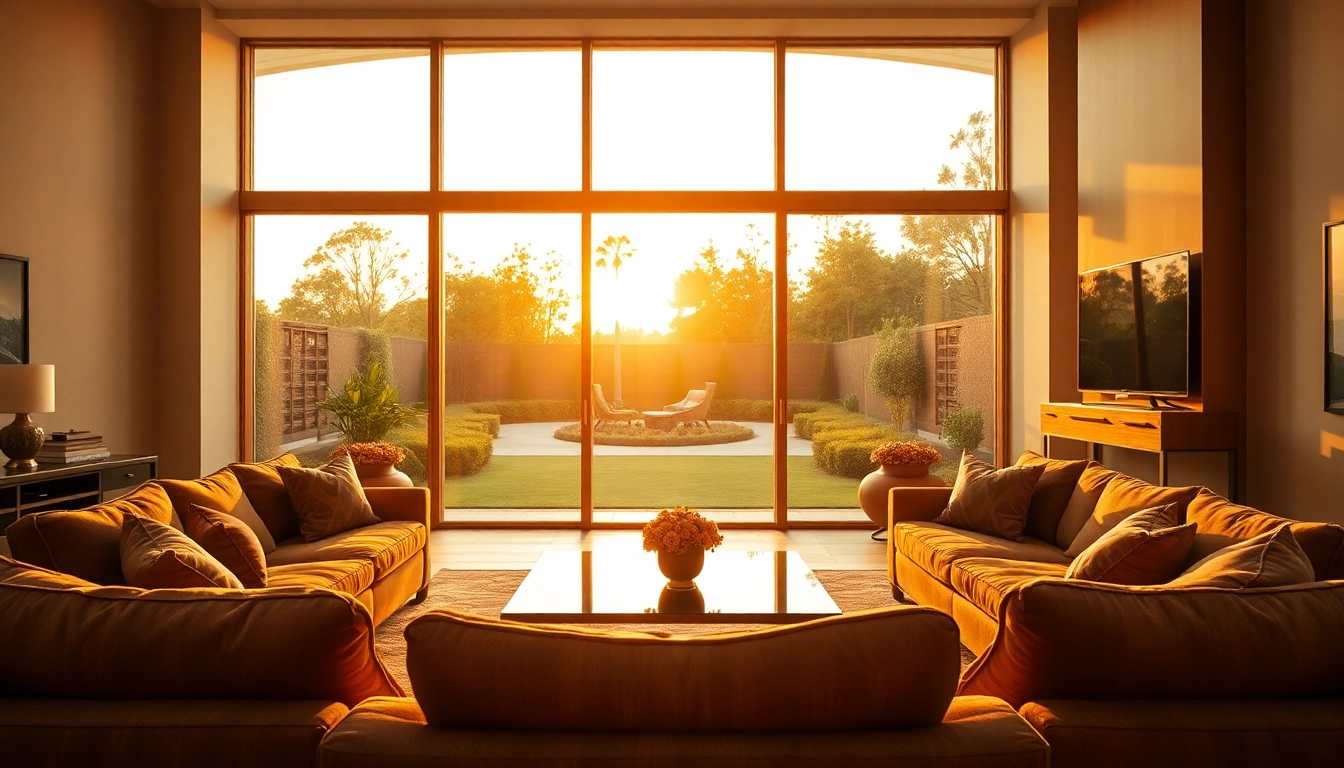
Natural light is a photographer’s best ally, enhancing the warmth and inviting atmosphere of a property. Photographers should plan shoots during times when light is plentiful, favoring mid-morning or late afternoon. Opening blinds and curtains allows light to flood in, creating a bright ambiance. However, too much direct sunlight can create harsh shadows, so knowing when to shoot based on the property’s orientation and the direction of light is key. Striking a balance harnesses the beauty of natural light while avoiding the downsides.
Enhancing Your Real Estate Photography Portfolio
Building a Diverse Portfolio
Creating a well-rounded portfolio is vital for showcasing one’s range and versatility as a photographer. This may include a mixture of residential, architectural, and even commercial properties to display adaptability. Including a variety of image types, such as twilight shots or detail shots that highlight particular features, can also attract a broader clientele. Regular updates and curation of the portfolio ensure it remains relevant and appealing, illustrating the photographer's growth and expertise.
Editing and Retouching Tips
Edit with intention; quality editing can turn a good photo into an exceptional one. First, assess each image for necessary adjustments — this might include correcting perspective distortions or enhancing colors. Utilizing presets can streamline the editing process, but it's crucial to customize edits for each image to maintain authenticity. Retouching can eliminate distractions while preserving the essence of the space, providing a polished look without appearing overly processed. A keen eye for detail is what makes the difference in final images.
Presenting Your Work to Clients
Presentation is everything in real estate photography. A visually appealing portfolio website should feature high-quality images, client testimonials, and a coherent narrative that reflects the photographer's style. Utilizing platforms such as social media effectively can also broaden exposure. Creating engaging capsules of work for sharing, including before-and-after shots or 360-degree views, can capture potential clients’ interest. Bringing potential buyers along on the visual journey showcases not only skill but professionalism and dedication to service.
Marketing Your Real Estate Photography Services
SEO for Real Estate Photography
Search Engine Optimization (SEO) is a crucial element of marketing a real estate photography business. Optimizing website content to reflect relevant keywords like Real Estate Photography can improve visibility in search results. Utilizing local SEO strategies, such as registering on Google My Business, can also increase local visibility and attract nearby clients. Regularly updating the website with blog posts about photography tips or recent projects boosts engagement and onsite traffic.
Utilizing Social Media
Social media platforms such as Instagram, Facebook, and Pinterest are excellent channels for showcasing photography work. Posting high-quality images, behind-the-scenes content, and engaging stories about recent shoots can help build a following. Collaborating with local real estate agents or home stagers can create synergy, allowing shared content that benefits multiple parties. Understanding platform algorithms and utilizing relevant hashtags boosts visibility and attracts potential clients.
Networking with Real Estate Agents
Networking with real estate agents and brokers can yield significant opportunities for collaboration. Building relationships with agents often leads to referrals and repeat business. Attending local real estate events, open houses, or joining relevant community groups enhances visibility within the industry. Regular communication and providing agents with timely updates about services ensure they keep photographers top-of-mind when they require quality visual assets for their listings.
Frequently Asked Questions
1. What equipment do I need to start real estate photography?
You need a camera (preferably a DSLR or mirrorless), a wide-angle lens, tripod, lighting equipment, and post-processing software, like Lightroom.
2. How much should I charge for real estate photography?
Pricing varies based on location and services offered. On average, photographers charge between $150 to $500 per shoot, depending on the complexity and market.
3. How long does a real estate photo shoot take?
Typically, a shoot can take anywhere from 1 to 3 hours depending on the property size and the number of images desired.
4. Do I need to stage the home before the shoot?
Yes, staging enhances the visual appeal, helping potential buyers envision the space better, leading to more effective photos.
5. How can I promote my real estate photography services?
You can promote your services through a professional website, social media, networking with real estate agents, and optimizing your content for SEO.