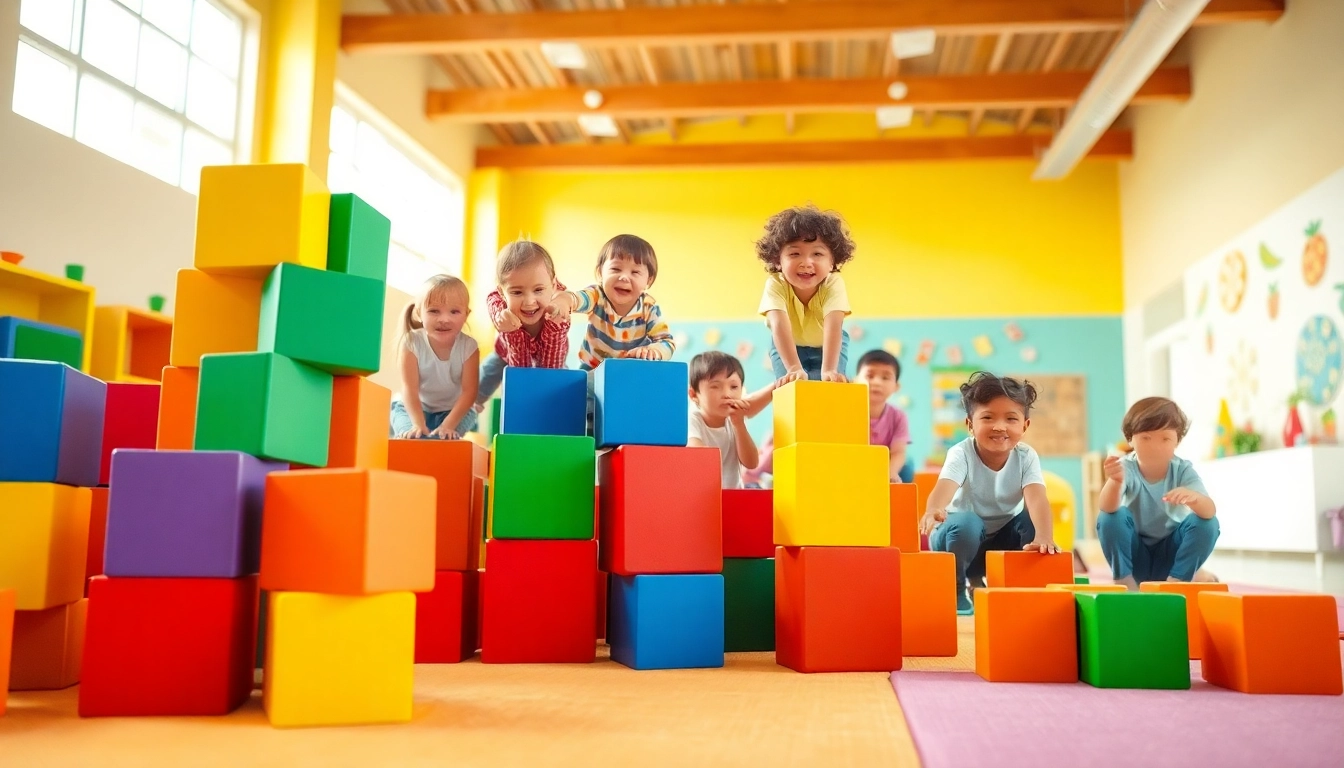
Introduction to Giant Building Blocks
Giant building blocks have taken the world of play and creativity by storm, providing children and adults alike with an imaginative platform to explore their architectural capabilities. These oversized blocks are not just toys; they serve as versatile tools for learning, collaboration, and fun. Whether in a classroom, playground, or home, they encourage the development of essential skills while also being a source of entertainment. In this extensive guide, we will delve into their features, benefits, setup advice, and creative building ideas to foster adventurous indoor play. For those interested in exploring more, we provide additional information on using these engaging building blocks.
What are Giant Building Blocks?
Giant building blocks are large-scale, lightweight construction pieces designed for children and adults to manipulate and build with ease. Typically made from foam or plastic material, these blocks come in various shapes and sizes, making them perfect for constructing everything from basic structures to elaborate designs. Their oversized nature allows for a unique play experience that promotes physical activity and imaginative play, distinguishing them from traditional smaller building blocks.
Benefits of Using Giant Building Blocks
The benefits of giant building blocks are multifold, connecting physical health, cognitive development, and social interaction:
- Physical Development: Users can engage in gross motor activities as they lift, stack, and move the blocks around, enhancing their physical strength and coordination.
- Cognitive Growth: Building with blocks fosters problem-solving and critical thinking skills. As children navigate how to balance and secure their structures, they engage in mathematical thinking and spatial awareness.
- Imaginative Play: These blocks encourage creativity, allowing children to create their worlds, which is vital for emotional and social development.
- Collaboration Skills: Building projects often require teamwork, teaching children how to communicate effectively, share ideas, and work harmoniously towards a common goal.
Important Safety Considerations
While giant building blocks offer numerous benefits, safety must always remain a priority:
- Supervision: Always supervise playtime, especially for younger children, to ensure a safe environment free from accidents and injuries.
- Surface Safety: Ensure that the play area is clear of sharp objects, uneven surfaces, or other hazards that could lead to injury during active play.
- Age Appropriateness: Use blocks that are designed for the age group of the users to prevent choking hazards or injuries resulting from excess weight.
- Material Quality: Choose durable, non-toxic materials that can withstand excessive play without breaking or causing harm.
Setting Up Your Indoor Adventure Space
Creating the perfect indoor adventure space with giant building blocks involves selecting the right location, designing engaging layouts, and incorporating various play zones to maximize the fun.
Choosing the Right Location
Selecting the ideal location is crucial for setting up a giant block play area. A space should be large enough to accommodate movement without confinement, such as a spacious basement, community center, or a dedicated room. Therefore, consider these factors:
- Accessibility: The area should be easily accessible and have adequate room for children to move around freely.
- Lighting: Ensure sufficient natural light or install good lighting to create a welcoming atmosphere that encourages play.
- Flooring: Soft or padded flooring, such as carpet or foam mats, will help cushion falls and prevent injuries.
Designing an Engaging Layout
Once you have chosen the location, it’s time to design the layout. An organized play space will foster creativity while ensuring safety and accessibility:
- Defined Areas: Create defined spaces for building, playing, and resting. For instance, designate a specific area for block construction and another for collaborative play.
- Easy Access: Arrange blocks in a way that children can access them easily, but also in a manner that challenges them to engage thoughtfully.
- Visual Appeal: Use vibrant colors and interesting themes to create an inviting atmosphere. Incorporating props can also enhance imaginative play.
Incorporating Play Zones
Incorporating various play zones will enrich the play experience. Here are suggestions to consider:
- Creative Building Zone: A dedicated area for stacking and constructing which encourages unrestricted creativity.
- Imaginative Play Area: Incorporate props like costumes or themed decorations that can complement building projects.
- Challenge Zone: Set up specific challenges or competitions to motivate children to build creatively, enhancing teamwork and communication.
Creative Building Ideas
With giant building blocks, the possibilities are endless. Here are some creative ideas to spark the imagination:
Themed Structures for Imaginative Play
Themed structures inspire children to create elaborate settings that encourage role play. Consider basing them on popular themes:
- Castles: Challenge children to build a grand castle, complete with towers and walls, for hosting royal adventures.
- Space Stations: Encourage building a space station or rocket for imaginative voyages across outer space.
- Animal Homes: Facilitate building habitats like elephant sanctuaries or jungle environments to combine creativity with knowledge of wildlife.
Collaborative Building Projects
Group projects promote teamwork and collaborative skills. Engaging in large construct assignments, children can share ideas and techniques:
- Community Park: Collaborate to build a park featuring slides, swings, and picnic areas.
- Obstacle Course: Create an exciting obstacle course where each child can contribute their design ideas, enhancing physical fitness.
- Race Tracks: Build wide race tracks for mini-cars, making competition fun and involving teamwork.
Games and Challenges with Blocks
Introduce structured activities around building blocks, combining fun and skill development:
- Building Races: Time challenges where teams compete to build designated structures quickly, fostering speed and strategic thinking.
- Block Jenga: Create a giant version of Jenga using the blocks, promoting balance and strategy.
- Story Creation: Develop stories around structures created, enhancing verbal and cognitive skills through narrative building.
Enhancing Learning Through Play
Giant building blocks are not merely for play; they are a powerful tool for learning. By integrating educational concepts into play, children experience a more enriched learning environment.
Developing Problem-Solving Skills
Using giant building blocks draws on problem-solving skills as children encounter design challenges and spatial awareness obstacles. They learn to strategize ways to achieve balance and secure their constructions, fostering critical thinking abilities that extend beyond play.
Promoting Teamwork and Collaboration
Building together cultivates a sense of community among children. They learn the importance of sharing ideas, negotiating solutions, and respecting differing perspectives, essential skills for personal development and future teamwork.
Integrating Educational Concepts
Educational concepts can seamlessly meld with play—one might introduce:
- Math Skills: Use blocks to teach counting, addition, and subtraction by quantifying blocks used in constructions.
- Science Concepts: Explore concepts like balance, gravity, and stability through trial and error during building activities.
- Art Integration: Encourage creativity by allowing children to paint and decorate their blocks, combining artistic expression within their constructions.
FAQs About Giant Building Block Activities
What age group is best for giant building blocks?
Giant building blocks are ideal for children aged 2-10, as they encourage creativity and fine motor skills.
How can I ensure safety while using building blocks?
Ensure that the play area is free from hazards and supervise children to prevent accidents during play.
Can I use giant blocks outdoors?
Yes, but ensure they're made of durable materials suitable for outdoor use to withstand weather conditions.
What are some group activities with giant building blocks?
Group activities can include collaborative castles, obstacle courses, or themed challenges that promote teamwork.
How do I clean giant building blocks?
Simply wipe them down with a mild soap solution and water to keep them sanitized and safe for use.