Introduction to Soft Foam Building Blocks
What Are Soft Foam Building Blocks?
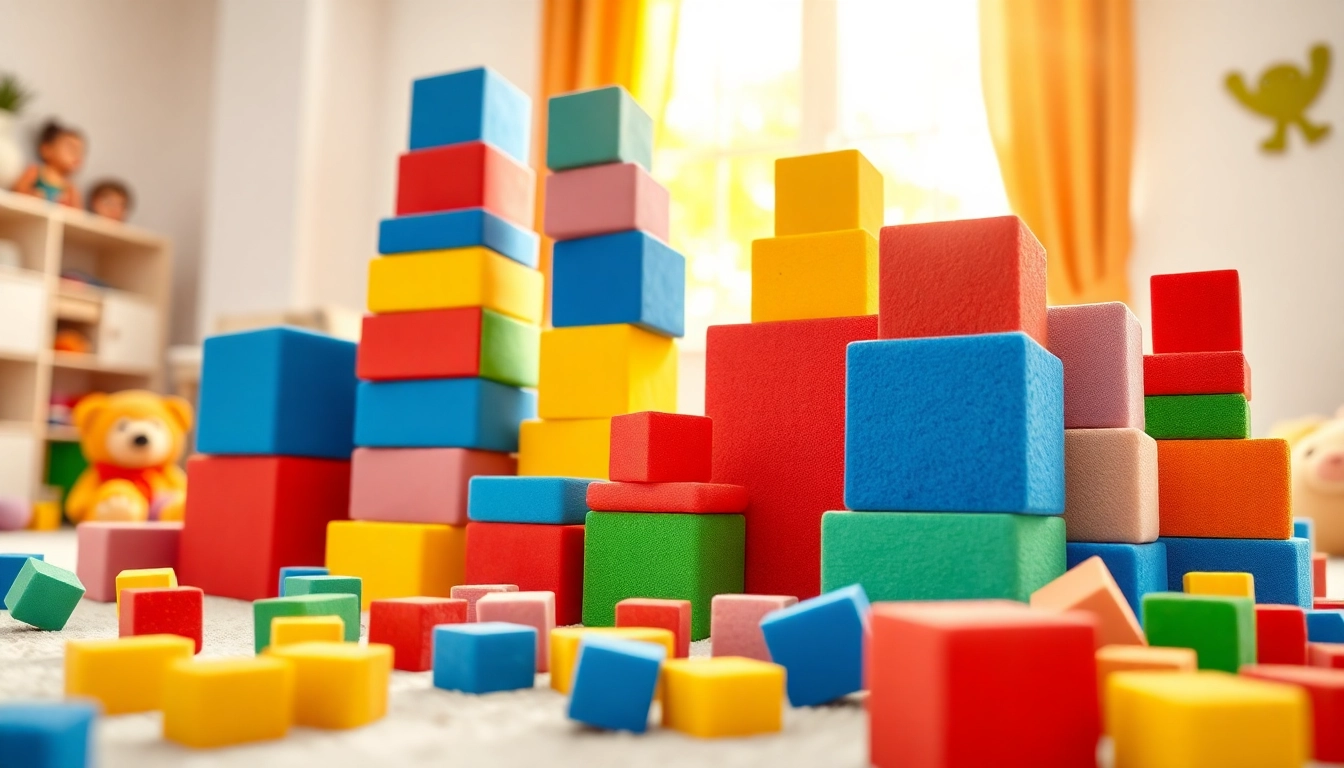
Soft foam building blocks are uniquely designed toys that encourage creativity and imaginative play among young children. Unlike traditional wooden or plastic blocks, these lightweight, cushioned blocks are made from a soft, durable foam material. They come in a variety of shapes, sizes, and colors, making them visually appealing and versatile for different types of play. Their soft nature ensures that even the most energetic play doesn't result in injuries, fostering a safe environment for children to explore their building skills.
Benefits of Soft Foam Blocks for Children
Soft foam blocks offer a myriad of benefits that support the development of children. These blocks enhance motor skills by requiring children to grasp, lift, and stack, thus improving hand-eye coordination. They also provide an excellent medium for imaginative play; as children build and create, they can engage in storytelling and role-playing scenarios that stimulate their cognitive and social development. Furthermore, the sensory experience of the soft material can be calming, providing a comforting play option for anxious children.
Choosing the Right Foam Blocks for Your Child
Selecting the right soft foam blocks involves considering several factors. Look for blocks that are age-appropriate, non-toxic, and large enough to avoid choking hazards for younger children. It's also important to find blocks with enough variety in shapes and sizes to inspire creativity. Many sets include thematic pieces, which can further enrich playtime. To gain more insights into the best options available, you can read more here.
Creative Play Ideas with Soft Foam Blocks
Building Structures and Shapes
One of the primary uses of soft foam blocks is to create various structures and shapes. Children can stack the blocks to build towers, houses, or even intricate designs. Encouraging them to follow specific blueprints or to freestyle with their imagination helps enhance their spatial awareness and engineering skills. Building competitions, like seeing who can build the tallest tower without it falling over, can foster a sense of determination and teamwork.
Role Play and Storytelling Activities
Soft foam blocks serve as a fantastic backdrop for role play and storytelling. Children can create settings for their favorite stories or invent new narratives using the blocks. For instance, they might build a castle for a princess or a stronghold for superheroes, stimulating not only their creativity but also their social skills as they collaborate with peers. Discussing plots, characters, and settings can enhance their verbal skills and encourage cooperative play.
Incorporating Learning into Play
Play is a natural way for children to engage with educational concepts. Soft foam blocks can be used to introduce basic math concepts such as counting, addition, and subtraction through block sorting or stacking challenges. Moreover, incorporating colors, shapes, and patterns can provide foundational skills in geometry and art. Games that require children to create patterns or classify blocks by color or size reinforce cognitive skills while making learning enjoyable.
Safety Considerations
Choosing Non-Toxic Materials
Safety is paramount when it comes to children's toys, and soft foam blocks should be free from harmful chemicals. Look for certifications that ensure products meet safety standards for children's goods. Non-toxic foam materials are essential to guarantee that children can play without risk if they put the blocks in their mouth, a common behavior for younger children.
Ensuring Safe Play Areas
Establishing a safe play environment is equally important. Ensure that the area where children play with foam blocks is free from hard surfaces and hazards. Soft mats or carpeted areas can provide cushioning if blocks fall. Regularly inspect the play area for any obstructions or hazards, and encourage children to play in groups, allowing them to learn to respect each other’s space and belongings.
Age-Appropriate Guidelines
When providing soft foam blocks for play, age guidelines should not be overlooked. Different age groups have varying levels of skill and understanding, so choosing sets designed for a specific age range can enhance the effectiveness of the play experience. Generally, blocks suited for toddlers should be larger and softer, minimizing choking hazards while engaging their fine motor skills.
Enhancing Fine Motor Skills through Play
How Foam Blocks Help Develop Coordination
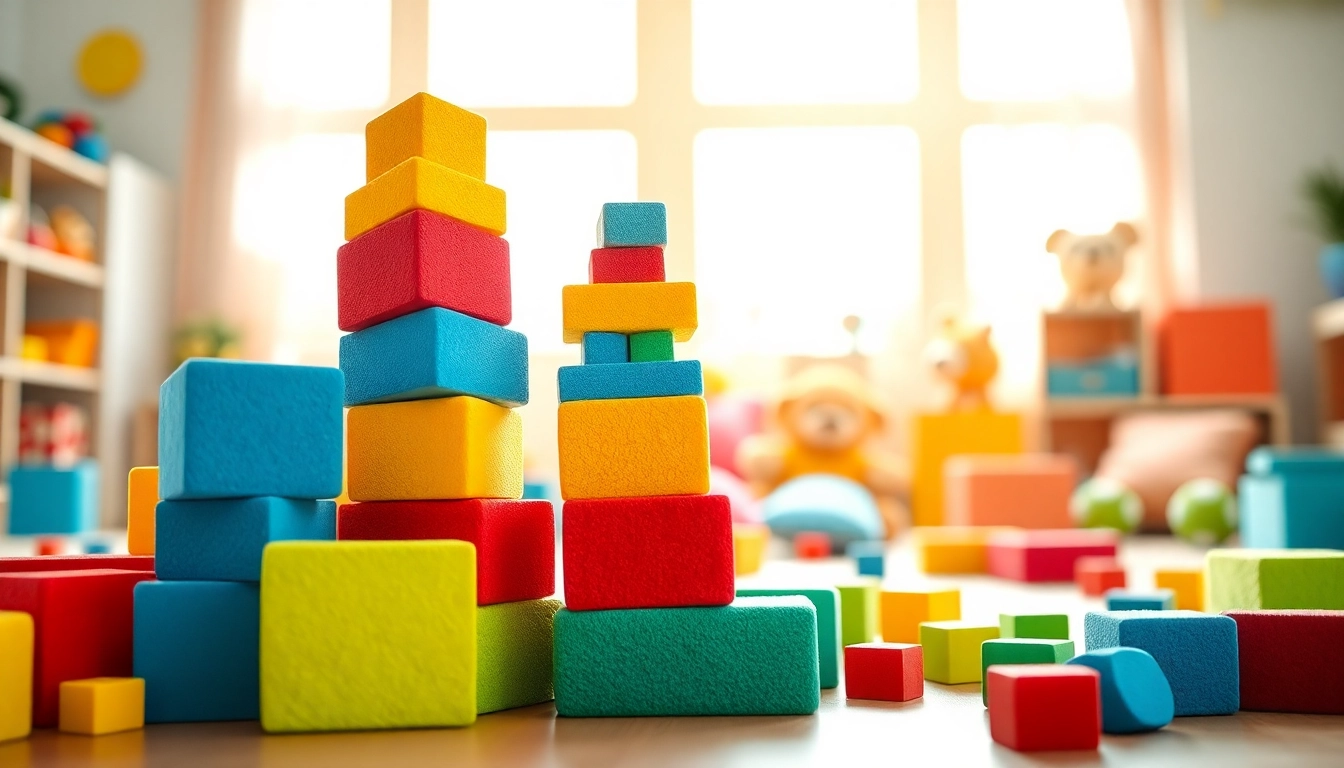
Playing with soft foam blocks encourages the development of fine motor skills essential for various daily tasks. When children pick up, stack, or arrange blocks, they practice coordination between their hands and eyes. This practice is instrumental for later skills such as writing or buttoning shirts. Moreover, the varying shapes and sizes of foam blocks compel children to manipulate them in different ways, further refining their motor skills.
Activities That Foster Motor Skills
Various activities can be designed specifically to boost motor skills through foam block play. For instance, creating obstacle courses that require balancing blocks on top of one another or designing multi-level structures challenges children’s dexterity. Moreover, introducing games where children must race against the clock to build a structure can motivate them to enhance both speed and coordination.
Tracking Development Progress
To ensure that children are progressing in their motor skill development, caregivers can observe their play patterns using soft foam blocks. Tracking improvements in the complexity of structures they can build, the speed at which they can create, or their ability to follow multi-step instructions offers insight into their developmental milestones. Documenting these achievements not only helps caregivers provide appropriate encouragement but also reinforces children’s growing abilities.
FAQs About Soft Foam Building Blocks
How do soft foam blocks differ from traditional blocks?
Soft foam blocks are lighter, safer, and designed specifically for younger children, enhancing play and reducing injury risks.
What age group is ideal for soft foam building blocks?
They are suitable for children aged 1 to 6 years, promoting safe exploration and creativity in play.
Are soft foam blocks easy to clean?
Yes, they can usually be wiped clean with mild soap and water, ensuring safe and hygienic play for children.
How can I encourage my child to play with foam blocks?
Engage them with fun building challenges, story-based games, or include their favorite toys for interactive play.
Can soft foam building blocks be used outdoors?
While they can be used outdoors, it's best to store them inside to maintain their longevity and condition.