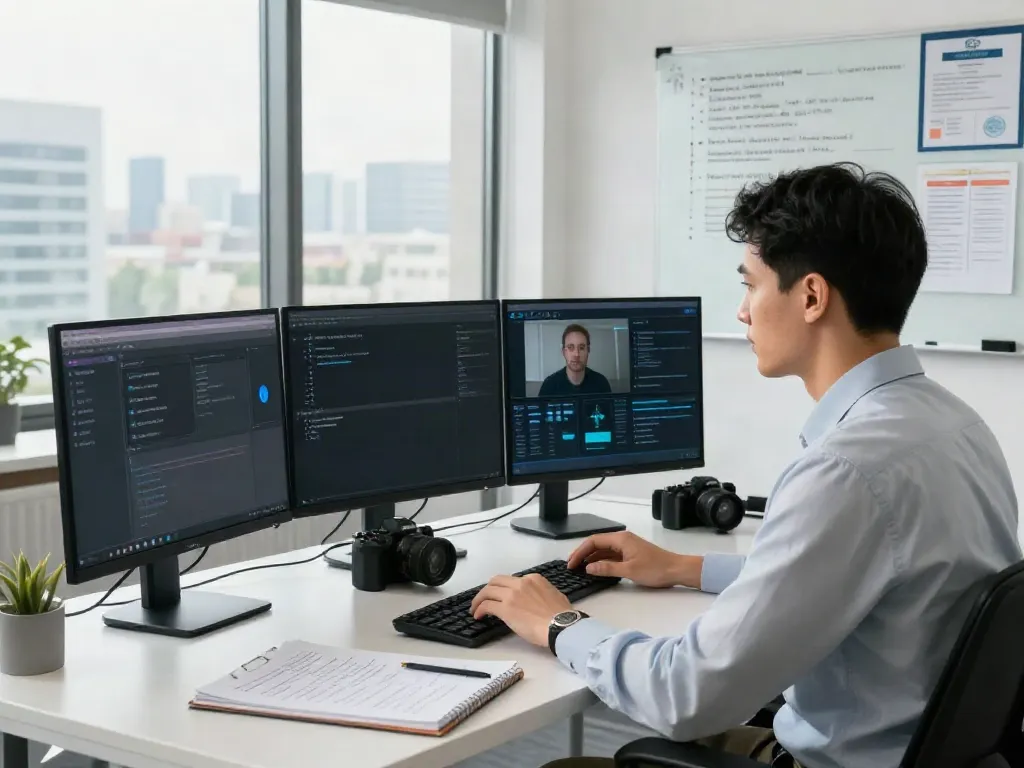
Understanding Deepfake Technology
In a rapidly evolving digital landscape, the advent of deepfake technology represents a significant leap forward in the capabilities of artificial intelligence. The ability to create hyper-realistic video representations of individuals raises pressing questions about the integrity of online interactions. With the rise of remote work and virtual communications, the importance of safeguarding these interactions cannot be overstated. Our focus is on Deepfake protected Online Video Calls, which provide innovative solutions to combat these challenges.
What are Deepfake Video Calls?
Deepfake video calls utilize sophisticated AI algorithms to manipulate real-time video feeds, creating the illusion that a person is present and performing tasks or communicating in a specific manner. This technology can mimic facial expressions, voice nuances, and gestures with alarming accuracy. While it can be entertaining or used for harmless purposes, it equally poses significant risks, particularly in professional settings where trust and verification are paramount.
How Deepfake Technology Works
Deepfake technology operates through deep learning techniques, primarily using Generative Adversarial Networks (GANs). These networks consist of two neural networks: a generator and a discriminator. The generator creates synthetic media, while the discriminator evaluates its authenticity. Over time, the generator improves to produce increasingly convincing content, blurring the line between reality and fabrication. As this technology continues to evolve, so do the challenges associated with verifying the authenticity of video calls.
Risks and Implications of Deepfake Video Calls
The implications of deepfake video calls are far-reaching. Cybercriminals can use them to impersonate individuals, leading to fraudulent transactions, identity theft, and other malicious activities. For businesses, the risk is heightened as executives could be duped into authorizing financial decisions based on fake interactions. The potential for reputational damage and financial loss necessitates robust protective measures to fend off these threats.
Importance of Security in Online Video Calls
As organizations increasingly rely on video calls for collaboration and communication, understanding security threats becomes essential. The intersection of convenience and security presents a challenge that organizations must navigate to ensure safe virtual interactions.
Identifying Security Threats in Virtual Communications
Various security threats plague virtual communications, including hacking attempts, phishing schemes, and deepfake impersonations. Understanding these threats allows businesses to implement targeted strategies to mitigate risks effectively. Recognizing signs of deepfake technology can be particularly challenging, as the visual fidelity can make it difficult for the untrained eye to detect anomalies.
Best Practices for Securing Video Call Platforms
To secure video call platforms from potential threats, organizations should adopt several best practices:
- Use end-to-end encryption: This ensures that the content shared during a call remains confidential.
- Verify identities: Encourage participants to use secure and unique identifiers when joining calls.
- Regularly update software: Keeping software and applications updated helps patch security vulnerabilities.
- Implement multi-factor authentication: Adding an extra layer of security can deter unauthorized access.
Common Misconceptions About Video Call Security
Misinformation around video call security can lead to complacency. A common misconception is that all video conferencing software is inherently secure. However, the reality is that security largely depends on user practices and the built-in protections of the software. Users must be aware of their role in maintaining security during virtual interactions.
Tools and Technologies for Deepfake Protection
As deepfake threats evolve, so do the technologies designed to combat them. A variety of tools are available that equip users with the necessary capabilities to protect their video calls from being hijacked by deepfake technology.
Top Software Solutions for Deepfake Detection
Numerous software solutions are emerging to address the challenges posed by deepfakes. These tools leverage AI and machine learning to analyze video characteristics, looking for inconsistencies that may suggest manipulation. Solutions like Deepware Scanner, Sensity AI, and others are becoming essential for organizations seeking to secure their communications.
Implementing Encryption for Video Calls
Encryption serves as a vital measure in protecting video calls. By encoding the data being transmitted, organizations can prevent unauthorized access and ensure that even if data is intercepted, it remains unreadable. Implementing strong encryption protocols is non-negotiable for companies that prioritize security.
AI-Powered Tools for Real-Time Deepfake Prevention
Some of the most effective strategies involve using AI-powered tools that can detect deepfakes in real-time. These tools analyze both audio and visual data simultaneously, identifying discrepancies indicative of manipulated content. As technology advances, the effectiveness of these tools is expected to improve, offering a proactive defense against deepfake threats.
Practical Steps for Safe Online Communication
Beyond adopting technologies, organizations must implement practical strategies to ensure safe online communication. Employee training and awareness are critical components of a comprehensive security approach.
Setting Up Secure Video Call Environments
Creating a secure environment for video calls involves setting protocols on accessing links and verifying participants before the call begins. Encourage the use of secure networks and discourage the use of public Wi-Fi when engaging in sensitive discussions.
Training Teams on Deepfake Awareness
Training sessions dedicated to deepfake awareness can equip employees with the knowledge to identify potential threats. These sessions should cover how deepfake technology works, its risks, and practical steps for verifying the authenticity of video calls. Developing a culture of security awareness can significantly bolster an organization’s defense against cyber threats.
Using Multi-Factor Authentication Effectively
Multi-factor authentication (MFA) can drastically reduce the chances of unauthorized access to video calls. By requiring multiple forms of verification, organizations can ensure that even if a password is compromised, additional barriers exist to prevent a deepfake scenario.
The Future of Deepfake Protection in Online Communication
Looking ahead, the landscape of online communication will continue to evolve as emerging technologies shape how we interact. A forward-looking approach to deepfake protection will be essential in maintaining the integrity of virtual interactions.
Emerging Trends in Video Call Technology
As video call technology advances, there is a growing emphasis on integrating AI-driven solutions that can analyze, detect, and prevent deepfakes. For instance, the use of biometric verification methods, such as voice recognition and facial scanning, may become standard practice in securing online interactions.
Predictions for Cybersecurity in 2026 and Beyond
With deepfake technology expected to become more sophisticated, cybersecurity measures will need to evolve accordingly. Future cybersecurity frameworks may integrate machine learning at all levels, enabling real-time threat detection and adaptive defense mechanisms tailored to the nuances of deepfake technology. Expect increased regulatory oversight around the use of AI in communication.
Final Thoughts on Safeguarding Virtual Interactions
As the risks associated with deepfake technology grow, it is vital for individuals and organizations to remain vigilant. Emphasizing robust security measures, investing in innovative technologies, and fostering an informed workforce will form the bedrock of a secure environment for online video calls. In this new era of communication, proactive measures will be the key to ensuring trust and authenticity.