Understanding Wastewater Treatment Systems
As communities and industries around the world grapple with growing water scarcity and pollution issues, the role of effective wastewater treatment systems has never been more critical. The demand for innovative, cost-effective, and reliable solutions to treat wastewater is skyrocketing, prompting manufacturers to evolve their offerings. Among these solutions, containerized wastewater treatment systems stand out as a versatile and efficient option that can be deployed quickly and effectively in various settings. When exploring options, Wastewater Treatment System Manufacturers are constantly innovating to meet these rising expectations.
What is a Containerized Wastewater Treatment System?
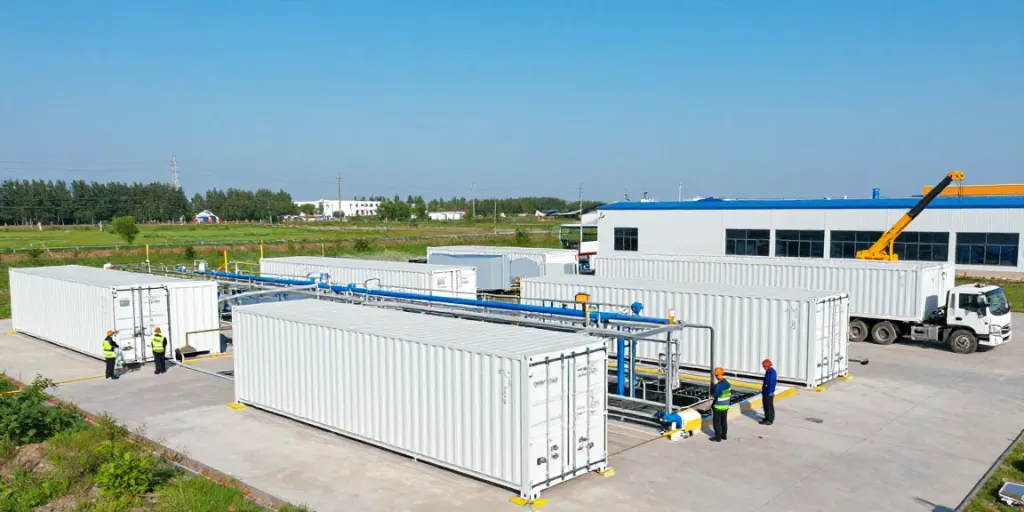
A containerized wastewater treatment system is a pre-engineered solution designed for the treatment of wastewater in a compact, mobile format. Typically housed within standard shipping containers, these systems can handle a variety of wastewater sources, from domestic sewage to complex industrial waste. They provide an efficient means for organizations to comply with environmental regulations while minimizing their operational footprint.
Key Features of Containerized Solutions
- Rapid Deployment: Containerized systems are pre-assembled and can be deployed without the need for extensive construction or infrastructure.
- Operational Flexibility: These systems can be easily relocated to meet changing needs, making them ideal for temporary setups or projects with variable demand.
- Compact Design: The standard shipping container format ensures that these systems occupy minimal space while maximizing treatment capabilities.
- Environmentally Compliant: Designed to meet local and international regulations, containerized systems help organizations ensure compliance while protecting public health and the environment.
Comparative Analysis of Wastewater Treatment Systems
Various wastewater treatment options exist, ranging from traditional methods like activated sludge processes to advanced technologies such as membrane bioreactors (MBRs) and constructed wetlands. When comparing these systems, it's essential to consider factors such as treatment efficiency, operational costs, scalability, and ease of maintenance. Containerized systems often emerge as a preferred choice, especially for industries needing rapid deployment and flexibility.
Industry Challenges for Wastewater Treatment System Manufacturers
Regulatory Compliance and Environmental Standards
Navigating the complex landscape of environmental regulations is one of the most significant challenges faced by wastewater treatment system manufacturers. Each region or country may have different standards for treated water quality, which can complicate product design and deployment. Staying compliant requires ongoing collaboration with regulatory bodies and investment in research to develop systems that meet or exceed these standards.
Technological Innovations and Adaptations
The wastewater treatment industry is rapidly evolving, with advancements in technologies such as IoT (Internet of Things) enabling real-time monitoring and automation of treatment processes. Manufacturers must continually adapt their products to leverage these innovations, ensuring they provide effective performance while remaining user-friendly and cost-efficient.
Addressing Customer Needs and Expectations
As awareness of environmental issues rises, customers are becoming increasingly discerning about the solutions they choose. Manufacturers must not only provide high-quality systems but also demonstrate the long-term sustainability and cost-effectiveness of their products. Engaging with customers to understand their specific challenges can help manufacturers tailor their offerings more effectively.
Best Practices in Wastewater Treatment Manufacturing
Streamlining Production Processes
Efficiency in production can significantly impact a manufacturer's bottom line. Implementing lean manufacturing principles can reduce waste and increase productivity, allowing companies to deliver quality products in a timely manner while keeping costs down.
Enhancing Energy Efficiency and Sustainability
With energy costs rising and sustainability becoming a priority, wastewater treatment system manufacturers are investing in energy-efficient technologies. This can include using renewable energy sources, improving the energy efficiency of treatment processes, and designing systems that minimize energy consumption while maximizing output.
Quality Control and Assurance Techniques
Maintaining high standards in quality control is crucial for manufacturers. Implementing rigorous testing protocols and quality assurance measures throughout the production process can help ensure that every system meets the necessary standards and performs effectively in the field.
Future Trends in Wastewater Treatment Technologies
Emerging Technologies for Enhanced Treatment
As the industry moves into 2026 and beyond, several emerging technologies are set to revolutionize how wastewater is treated. For instance, advancements in artificial intelligence and machine learning can lead to more efficient waste management and treatment processes by optimizing treatment schedules based on real-time data.
Predicted Market Growth and Developments
The global market for wastewater treatment systems is expected to grow significantly due to rising concerns over water scarcity, population growth, and increased industrial activity. Investing in innovative wastewater treatment solutions will be critical for manufacturers looking to capitalize on this growth.
Importance of Research and Development in the Industry
Continuous research and development are vital for staying ahead in the competitive landscape of wastewater treatment. Manufacturers must invest in R&D to innovate and refine their technologies, ensuring they remain compliant with ever-changing regulations and customer expectations.
Case Studies and Real-World Applications
Success Stories of Implemented Systems
Many industries have successfully integrated containerized wastewater treatment systems into their operations. For example, a mining company in Australia used these modular solutions to efficiently manage wastewater discharge, significantly reducing their environmental footprint while maintaining compliance with local regulations.
Comparative Case Studies from Different Industries
In the hospitality sector, a resort in Southeast Asia adopted a containerized system to handle sewage effectively. This not only improved their water management practices but also enhanced their sustainability credentials, attracting environmentally conscious tourists.
Lessons Learned from Failed Installations
It is crucial to learn from past mistakes, as some installations of wastewater treatment systems have failed due to inadequate site assessments and improper maintenance protocols. Thorough planning, detailed feasibility studies, and ongoing support can prevent these pitfalls and ensure successful project outcomes.
What are the top 10 largest wastewater treatment plants in the USA?
The top 10 largest wastewater treatment plants in the USA are often characterized by their advanced processing technologies and capacity to treat millions of gallons of wastewater daily. These plants set the benchmark for operational efficiency and environmental compliance within the industry.
Who are the largest water treatment companies?
Among the largest water treatment companies globally, firms like Veolia, SUEZ, and Xylem lead the way, offering a variety of solutions ranging from municipal water treatment to industrial applications.
What are some popular brands of wastewater pumps?
When it comes to wastewater pumps, brands such as Grundfos, Flygt, and Gorman-Rupp are recognized for their reliability and efficiency in handling various types of wastewater.
What is the best sewage treatment system?
Determining the best sewage treatment system involves assessing several factors, including treatment capacity, technology type, and compliance with local regulations. Systems that offer flexibility and ease of maintenance tend to rank higher among user satisfaction.
How can containerized systems benefit remote operations?
Containerized systems are particularly advantageous for remote operations, reducing the need for extensive infrastructure while allowing for rapid deployment. Their modularity ensures that they can adapt to various site conditions and operational requirements.